CashToCode at Australian Casinos: What Is Verified
 Available in AU
A payment brand mention alone does not establish that an Australian-facing casino enables CashToCode for deposits or withdrawals.

- CashToCode and Australian Online Pokies: What Can Be Verified
- CashToCode Deposits: The Details That Remain Unconfirmed
- Assessing Casino Sites Without an Unsupported ‘Best’ List
- CashToCode Withdrawals and Payout Timing
- The Australian Legal Context for Offshore Casino Searches
- Casino Games and CashToCode: No Verified Compatibility
- Why a CashToCode Withdrawal Route Cannot Be Assumed
- Australian Payment Habits Do Not Confirm CashToCode Acceptance
- Paying with CashToCode: What the Available Evidence Does Not Show
- CashToCode Casino Bonuses and Promotion Conditions
CashToCode and Australian Online Pokies: What Can Be Verified
CashToCode may appear in discussions about Australian online casino payments, but a mention is not the same as confirmation that an Australian-facing site accepts it. Acceptance is an operator-specific condition. Without a clear statement from the operator or a working CashToCode option in its cashier, the method cannot be treated as available.
That distinction matters because payment descriptions can travel further than the conditions they describe. A page may name a payment brand while discussing a different market, an old cashier, or a service that is not offered to Australian customers. The wording can sound definitive even when the relevant detail—whether the method is enabled for the account and location in question—has not been established.
I have seen payment acceptance treated as a simple yes-or-no feature. In practice, the claim needs a defined scope: which operator, which customer location, and which transaction type. A general reference to CashToCode does not answer those points. Nor does the presence of a method’s name in a search result or an operator’s wider payment information prove that it is available to Australian residents.
Choosing a casino that accepts CashtoCode in Australia means checking the details that matter to you before depositing. Use these verdicts as a concise reference, based only on the available operator information.
License: Curacao eGaming OGL/2023/174/0082 (Dama N.V.) · Min. deposit: A$15 LevelUp Casino lists a minimum deposit of A$15 and a Curaçao eGaming licence held by Dama N.V.
License: Curacao · Payout speed: crypto 30-60 minutes, fiat 1-5 days · Min. deposit: A$10 Wild Tokyo lists a minimum deposit of A$10. Its stated payout times are 30–60 minutes for crypto and 1–5 days for fiat.
License: Curacao Gaming Control Board OGL/2023/176/0095 (Hollycorn N.V.) LuckyVibe lists a Curaçao Gaming Control Board licence held by Hollycorn N.V.
License: Curacao Gaming Control Board OGL/2023/176/0095 (Hollycorn N.V.) Rollero Casino lists a Curaçao Gaming Control Board licence held by Hollycorn N.V.
License: Curacao eGaming (Dama N.V.) JeetCity Casino lists a Curaçao eGaming licence held by Dama N.V.
License: Curacao eGaming OGL/2024/923/0383 (Antillephone N.V.) · Min. deposit: A$30 WinSpirit Casino lists a Curaçao eGaming licence held by Antillephone N.V. and a minimum deposit of A$30.
License: Curacao (operating since 2017) · Min. deposit: A$20 Uptown Pokies is listed as operating since 2017 and has a Curaçao licence. Its minimum deposit is A$20.
License: Curacao · Min. deposit: A$20 (POLi) Lucky Dreams lists a Curaçao licence and a minimum deposit of A$20 for POLi.
License: Curacao eGaming (Roby Games Ltd) Roby Casino lists a Curaçao eGaming licence held by Roby Games Ltd.
Payout speed: crypto under 1 hour, PayID 1-3 business days · Min. deposit: A$20 (A$30 to qualify for the bonus) Ricky Casino lists crypto payouts in under an hour and PayID payouts in 1–3 business days. The minimum deposit is A$20, or A$30 to qualify for the bonus.
For that reason, claims that Australian online pokies accept CashToCode need to be read narrowly. They should identify the particular operator and clearly connect CashToCode with service for customers in Australia. If that connection is absent, the claim remains unconfirmed. It would be misleading to turn a broad reference into a list of Australian casinos supposedly supporting the method.
The same caution applies to phrases such as “CashToCode casino” or “CashToCode mobile casino.” They can describe a topic, not a verified feature. A site that works on a mobile device has not thereby shown that CashToCode is accepted. Likewise, a payment method being discussed alongside casino services does not establish a working link between them. The label is not the mechanism.
A useful distinction is between three different kinds of statement. One may say that CashToCode exists as a payment name; another may say that a casino mentions it; a third may confirm that a specific operator currently makes it available to Australian customers. Only the third settles the acceptance question. The first two can be accurate and still leave the practical issue unresolved.
The wording on an operator’s own payment page is more relevant than a generic claim, but even that needs to match the customer’s location and the current cashier. Payment options can vary by jurisdiction and can change. A method listed in general terms may not be enabled for every account. A page that lacks a clear Australian qualification should not be read as proof of Australian availability.

I would also separate a named method from an implied one. Similar-looking payment labels, references to prepaid payments, or broad language about alternative payment options do not confirm CashToCode support. Treating them as equivalent would add a connection that the operator has not stated. In payment matters, close enough is not confirmation.
The phrase “best Australian online pokies with CashToCode” carries an additional problem: it assumes that a set of eligible sites has already been established. Without confirmed acceptance, ranking or recommending such sites would make the uncertainty look settled. A polished comparison cannot supply the missing evidence. It can only make an unsupported assumption more persuasive.
There is a straightforward standard for assessing an acceptance claim: it should name the operator, specify Australian customer availability, and be consistent with what appears in that operator’s cashier at the time of use. If those pieces do not line up, the claim should not be presented as a confirmed option. That is not a technicality. It is the difference between a payment method being mentioned and actually being offered.
That is not a claim that no operator could ever offer it; it is a limit on what can responsibly be stated without operator-specific confirmation. Availability should not be inferred from a site’s country wording, mobile access, general payment page, or a third-party description.
The practical conclusion is deliberately narrow: CashToCode acceptance for Australian-facing casino services remains unconfirmed unless the operator’s own current information establishes it for Australian customers. Until then, claims of acceptance—or of a “best” site based on that feature—should be treated as unproven. No assumption.
- Identify the particular operator
- Connect CashToCode with service for Australian customers
- Verify the option in the current cashier
- Rely on general references to CashToCode
- Assume availability from search results
- Treat a broad reference as a confirmed list
CashToCode Deposits: The Details That Remain Unconfirmed
A deposit method is not defined by its name alone. The practical terms sit around it: whether an operator makes it available to customers in a particular location, which currency the cashier uses, what minimum or maximum applies, whether a charge is added, and how the transaction is submitted. A payment logo or a passing reference would not, by itself, settle them.
That distinction matters because deposit searches often compress several separate questions into one. “Can CashToCode be used?” asks about availability. “How much can be deposited?” asks about limits. “Is there a fee?” concerns the total cost. “How does the deposit work?” concerns the cashier’s instructions. An answer to one does not answer the others. I have seen payment copy make a method sound straightforward while leaving the operative conditions somewhere else. The wording is not the transaction.
Amounts and currency
A low-value deposit query may suggest that a particular amount is a standard entry point. It is not safe to infer a CashToCode minimum from that wording.
Currency presentation and currency conversion are separate issues. A cashier could display a balance in one currency while a payment provider or financial institution applies its own conversion rules; the exact arrangement would depend on the service and its terms. That general distinction does not establish how CashToCode is handled by any casino. A displayed amount is not necessarily the final amount charged.
The same care applies to a deposit described as “small” or “low.” Those labels are relative and may refer to an operator’s own threshold, a payment provider’s rules, or a promotional condition. No figure should be read into the method’s name or into the phrasing of a deposit offer.

Fees and the amount charged
A deposit amount and the final cost are not always identical. A payment route can involve a fee from the operator, a payment service, or an institution handling the transaction. It would be equally unsound to call deposits free or to suggest that a surcharge applies.
This is where promotional language can blur the practical detail. “Fee-free” sounds definite, but it only has meaning when the relevant charge, transaction type, and currency are clear. A statement about one payment method or one operator cannot be transferred to CashToCode elsewhere. The payment label is not a fee policy.
The amount shown before submission also needs to be distinguished from any later account balance. That is a matter of reading the applicable transaction terms, not a basis for assuming that CashToCode follows a particular sequence or calculation. I would treat any claim about the total cost as specific to the named service and its current terms, rather than as a general feature of CashToCode deposits.
Cashier steps and processing status
Interfaces differ, and instructions for a different payment route do not establish CashToCode instructions.
Processing language needs the same restraint. “Instant” can describe an authorisation, an account update, or a completed transfer; those are not necessarily the same event. A pending status, a declined payment, or a delayed update would need to be interpreted under the particular operator’s and payment service’s terms, rather than explained through an assumed universal process.
Processing terms like “instant” can describe an authorisation, an account update, or a completed transfer; these are not necessarily the same event.
Account checks are another separate part of the transaction. Online gambling operators commonly conduct identity and customer checks before allowing financial activity. Verification and payment authorisation are distinct gates. Either can affect access to a transaction.
What a deposit claim would need to establish
A useful CashToCode deposit statement would need to identify the operator, the customer location it covers, the currency, applicable limits, charges, and the actual cashier instructions. It would also need to distinguish availability from successful processing: a method appearing in a list does not guarantee that every account or transaction can use it. Conditions may change, so a dated statement is more meaningful than a generic claim that a casino accepts a payment method.
That is not a recommendation to make a deposit. Australian law prohibits operators from providing real-money online casino games to people in Australia, and Australian consumer law does not protect players using offshore casinos. Deposit language does not alter that position.
Precision matters more than a confident button-by-button description. No invented figures.
Assessing Casino Sites Without an Unsupported ‘Best’ List
A “best” label implies a comparison on defined, current evidence. For CashToCode, that would mean establishing that a site supports the method for Australian customers and then comparing relevant conditions on a consistent basis. Without that foundation, naming leading sites would turn an untested claim into a recommendation.
I have seen how payment badges can be read more broadly than intended. A logo on a page may refer to a service available in another country, a different product, or a payment route that has since changed. It does not, by itself, establish that CashToCode can be used by someone in Australia. Nor does a general statement that an operator supports a range of payment methods prove that this particular one is available.
A defensible comparison would need to establish the same basic points for each operator: whether CashToCode is explicitly offered to Australian customers, whether that statement applies to the relevant casino service, and whether the cashier confirms the method at the time of use. The operator’s own current payment information would carry more weight than an old review or a copied list. Even then, the wording matters. “Supported” can mean different things unless it clearly describes the transaction and the customer’s location.

That is the difference between a comparison and a list assembled around a keyword. A page can call sites “top” or “best” without showing that they meet the same test. If one entry is based on a payment logo, another on an outdated review, and another on a general operator claim, the ranking has no stable meaning. Attractive presentation does not repair weak evidence.
I would also keep payment support separate from broader operator assessments. A table that compares operators on other characteristics does not establish CashToCode compatibility. Each claim answers a different question. A site’s position in a general comparison cannot stand in for confirmation that a particular method is offered to Australian customers.
There is a further distinction between a site mentioning a payment brand and the cashier actually presenting it as an available option. Payment arrangements can vary by customer location and can change over time. A general page may describe a method without explaining those limits. A clear, current operator statement should identify who can use the method and for which service; vague wording should not be upgraded into a firm acceptance claim.

The same caution applies to phrases such as “instant” or “easy” when they appear beside a payment method. Those are promotional descriptions, not proof that the method is available or that a particular transaction will work. A ranking built on them would blur the difference between marketing language and a confirmed payment option.
I would not publish a ranked list of CashToCode casino sites on that basis. It would suggest that the named operators had been checked against a common standard when the comparison itself could not support that implication. Leaving out a “best” list is more useful than presenting a neat order that gives uncertain claims the appearance of verification.
For Australian readers, the question is not settled by popularity, polished payment pages, or a high place in a general operator table. A specific CashToCode claim needs to be explicit, current, and tied to Australian availability. Until that standard can be applied consistently, a ranking would say more about how a page is framed than about whether the payment method is genuinely accepted.

No reliable comparison.
CashToCode Withdrawals and Payout Timing
A payment method shown beside a deposit option does not, by itself, establish a route for paying winnings out. I learned to separate those two functions when reading cashier language: a method can be available for money going in while a different process applies to money coming out. The distinction matters because “instant withdrawal” sounds like one action, but a payout can involve several separate decisions.
For a CashToCode withdrawal, the essential question is not whether the name appears somewhere in a payment list. It is whether the operator actually supports CashToCode for withdrawals, and what conditions govern that route. Without that, there is no sound basis for describing a CashToCode payout as instant, estimating when it would arrive, or saying that it is available to Australian customers. Those are separate claims, not details that can be inferred from the payment brand alone.
What payout timing would describe
A payout timeline can refer to different points in a process. There may be a period before a request is reviewed, a decision to approve or decline it, and then a transfer stage after approval. A displayed status may describe only one of these points. “Processed” is not necessarily the same as received; “pending” does not, on its own, explain what remains to happen.
That is why an instant-payment label cannot carry over automatically to withdrawals. It may describe a different transaction, or a different stage altogether. In practical terms, the word “instant” needs a defined starting point and endpoint before it means anything useful. Without those, it is a headline, not a timing commitment.
I have seen how small wording choices shape expectations. “Fast” can refer to internal handling, while the receiving side still has its own steps. A clear payout condition should identify the method, the stage being timed, and any requirements that apply before release. Otherwise, a reader is left to fill in the gaps. Bad basis.
Attention A payment method available for deposits does not guarantee that the same route is available for withdrawals or that payouts can be sent to the same destination.
Why deposit details do not settle the question
Deposit and withdrawal functions are not interchangeable. A cashier can present a route for adding funds without providing the same route for returning funds. Nor does a successful deposit establish that a later payout can be sent to the same destination. The direction of the transaction changes the question.
For that reason, claims about CashToCode withdrawals should be kept distinct from claims about deposits. A payment method’s presence in a cashier, even if confirmed for one purpose, would not establish payout eligibility, processing stages, or delivery time. Each would need its own clear conditions. No shortcut.
The phrase “instant CashToCode withdrawal” is especially easy to overread. It might suggest that a payment is approved immediately, that it is sent immediately, or that it reaches its destination immediately. Those meanings are not equivalent. An operator’s wording would need to specify which event it describes. Without a defined event, the phrase cannot support a reliable expectation about when funds become available.
The practical reading
When withdrawal information is unclear, the responsible conclusion is narrow: no CashToCode payout route or timing can be stated as established for Australian-facing casino services. That does not prove that a route is impossible everywhere; it means the claim cannot be treated as confirmed without clear, current terms from the relevant service. “Not established” and “not available” are different statements.
The same restraint applies to searches for new services or real-money pokies advertised with instant payouts. Newness and speed are marketing descriptions, not proof of a working withdrawal method. A payout claim needs to be tied to actual terms, rather than inferred from a deposit label or a general promise about fast payments.

I would not convert an attractive phrase into a promise. Until the payout route and its timing conditions are explicit, the only accurate description is that CashToCode withdrawal availability and speed remain unspecified.
The Australian Legal Context for Offshore Casino Searches
A payment-method search and the legal status of the service are separate questions. CashToCode appearing in a description, cashier menu or search result would not establish that an online casino may lawfully offer real-money play to people in Australia. Nor would it show that the service is accessible or that any payment arrangement is reliable.
The Interactive Gambling Act 2001 places the prohibition on operators: providing real-money online casino games to people physically in Australia is illegal. The rule covers casino-style services such as poker, table games and pokies. I have found that payment language can draw attention away from this basic distinction. A method’s name is not a legal permission slip.
Enforcement sits with the Australian Communications and Media Authority (ACMA), which administers the Act’s restrictions. Offshore casino services are subject to active blocking and enforcement measures. That matters when interpreting pages that describe a service as available to Australians: an operator’s claim, or a cashier option shown in promotional material, does not settle whether Australian residents can lawfully be served or can practically reach the site.
The legal position for players is different from the rule for operators. The Act does not explicitly make an individual player’s use of an offshore site a criminal offence. That distinction should not be stretched into an endorsement. It does not make an offshore casino lawful, remove access restrictions, or give a player the protections that apply when dealing with a business covered by Australian consumer law.
Legal Risk
Providing real-money online casino games to people in Australia is illegal under the Interactive Gambling Act 2001, and Australian consumer law does not protect players using offshore casinos.
That last point is easy to miss in payment-focused wording. A site may describe a deposit route in reassuring terms, but Australian consumer law does not protect players using offshore casinos. If a dispute arises over an account, a payment or a service, the familiar local consumer safeguards should not be assumed to apply. No local protection. No shortcut through the cashier.
I treat claims about a “best” CashToCode casino or a casino that accepts CashToCode in Australia with the same caution. A result in a search listing is not proof of lawful operation, current access, or a verified payment facility. Those are distinct matters, and a payment label cannot resolve the legal one.
This context is not a recommendation to use an offshore service. It is the boundary within which claims about payment methods need to be read: Australian law prohibits operators from offering real-money online casino games to people in Australia, ACMA enforces that framework, and consumer law does not protect Australians who use offshore casinos. A claim about CashToCode does not change those conditions.
Casino Games and CashToCode: No Verified Compatibility
A payment option and a casino game are separate parts of an online service. Seeing CashToCode mentioned alongside a casino does not, by itself, establish that it can be used for a particular game or that a game has any special connection to the payment method. That distinction matters when a page groups payment choices and game categories under one heading: the layout can suggest compatibility without explaining what the operator actually supports.
I have seen how broad labels do this work. “CashToCode casino games” may sound like a defined category, but it can refer to several different things: a payment method shown somewhere on a casino site, games offered by that operator, or an assumption that one enables access to the other. Those are not interchangeable claims. A payment logo does not identify the games available, and a game catalogue does not prove that a particular payment route applies to it.

The same caution applies to references to pokies. A page that mentions CashToCode and pokies in the same paragraph has not necessarily confirmed that CashToCode can fund play on those games. Nor does a general casino payment label tell us whether it applies across the site or only under conditions set by the operator. The wording may be broad; the actual relationship can be narrower.
I would treat compatibility as a specific operational claim, not a natural consequence of two things appearing together. It would need to be clear which operator is involved, what payment function is being described, and whether the statement concerns a general cashier option or a particular game feature. Without that distinction, the label is doing more work than the information behind it.
That is the practical limit. CashToCode cannot be described as a game feature, a way to unlock certain titles, or a payment option tied to a named category of casino games. No game-specific link is established. No catalogue claim follows.

This also explains why a list of CashToCode-compatible games would be misleading. There are no confirmed titles to put on it, and naming popular games would turn familiarity into implied evidence. The same goes for claims about “all games” or a special CashToCode range. Those phrases suggest a tested connection, not merely that a payment method and casino games are discussed on the same page.
The distinction is plain, but easy to blur in promotional copy: payment is one question; game compatibility is another. Appearance is not proof.
Why a CashToCode Withdrawal Route Cannot Be Assumed
A payment method appearing in a deposit context would not, by itself, establish a way to receive casino winnings. Funding an account and sending money out are separate transaction functions, and an operator can set different conditions for each. The distinction matters even before considering whether CashToCode is accepted at all.
I have seen payment labels treated as if they describe a complete route in both directions. That is too much to infer from a name alone. A cashier entry might relate only to deposits; a separate withdrawal option, if one exists, would need to be stated as such in the operator’s terms. Without that distinction, “CashToCode withdrawal” is an assumption, not a demonstrated feature.

The same caution applies to searches for a CashToCode withdrawal at an Australian-facing casino or pokies site. A payment reference does not establish that the method can receive winnings, that a casino supports it for withdrawals, or that a payout can be made through it. No route or timing should be inferred from a deposit reference. Those are different claims.
From the operator’s side, payout rules are not decorative cashier copy. They determine where funds can be sent and under what conditions. If a method is available for one transaction type, that does not settle the other. The specific withdrawal terms would need to identify the method and explain any conditions; a generic payment logo or deposit mention cannot do that work.
There is also a more basic constraint in Australia. The Interactive Gambling Act 2001 prohibits operators from providing real-money online casino games to people in Australia, and ACMA enforces the law. Australian consumer law does not protect players using offshore casinos. A payment label therefore should not be read as evidence that an offshore casino service is lawful, locally supported or a reliable place to receive funds.

The practical distinction is simple: deposit availability and withdrawal availability are not interchangeable. For CashToCode, no Australian casino withdrawal route can be treated as established. No payout promise follows.
Australian Payment Habits Do Not Confirm CashToCode Acceptance
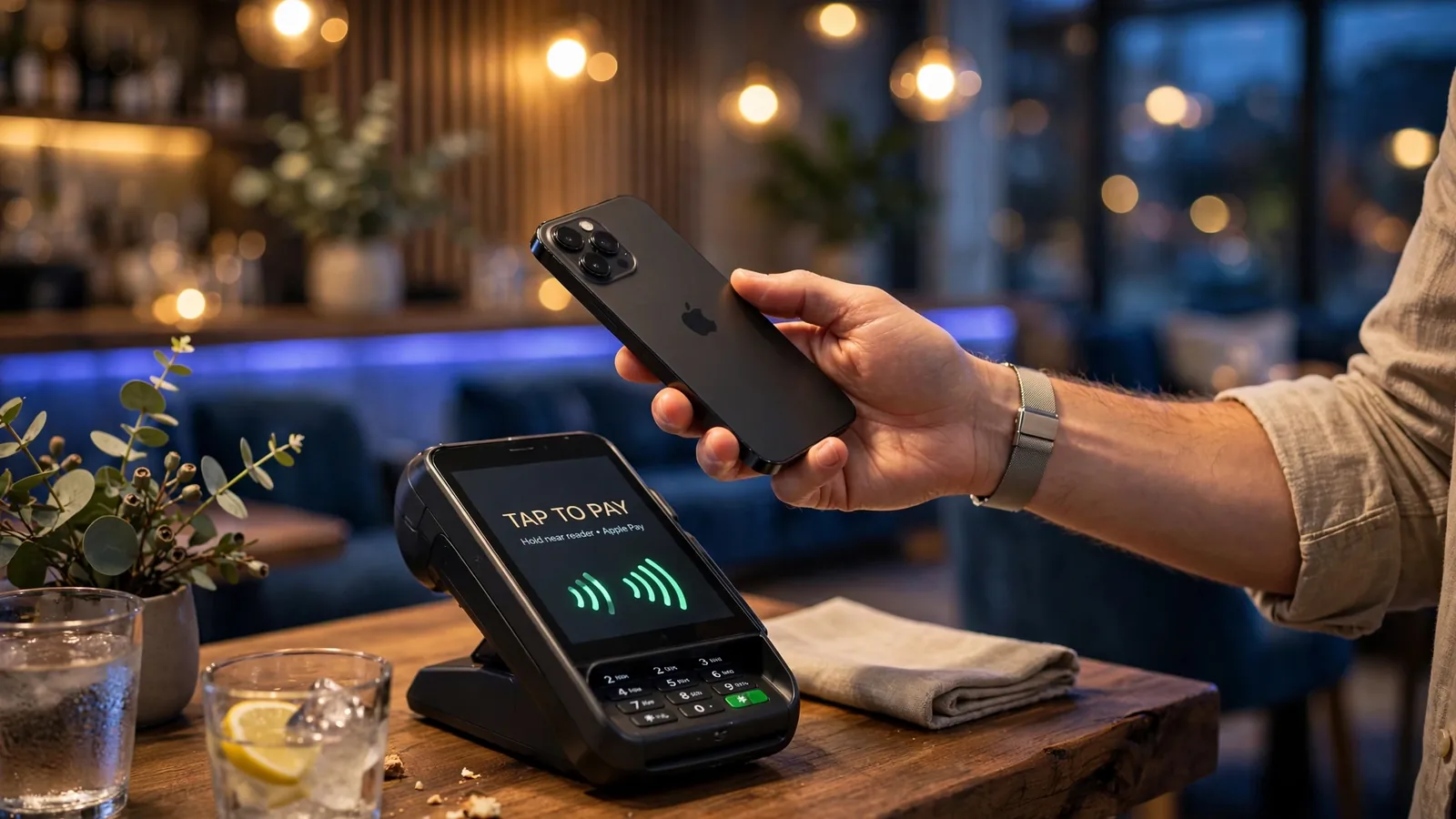
In Australia, contactless credit and debit cards are accepted almost everywhere. Mobile wallets, including Google Pay and Apple Pay, are similarly familiar across everyday purchases. People are also comfortable moving between cards, wallet apps and services connected to bank accounts, such as PayPal. That is a description of ordinary payment habits, not a guarantee that every online service offers the same choices.
I have seen this distinction matter at the cashier: a payment option can feel familiar in the wider market while being absent from a particular service’s payment menu. Familiarity with tap-and-go cards or a wallet app does not establish that a casino cashier supports CashToCode. Nor does the fact that Australians readily switch between payment types show that CashToCode is available for a particular use.

The wording “Australian casino with CashToCode” can make the issue sound like a simple extension of local habits. It is not. General acceptance of contactless cards and mobile wallets says nothing specific about CashToCode, and PayPal’s familiarity does not prove that another bank-linked or prepaid-style service is supported. Payment methods are enabled service by service.
This is why broad claims about what Australians use should not be treated as evidence about a named method. A cashier’s displayed options, where accessible, are more relevant than the popularity of other payment tools in shops or across the country. Even then, a displayed logo alone may not explain the conditions attached to its use.
The practical distinction is narrow but important: Australian consumers are accustomed to several ways of paying, while that habit cannot confirm CashToCode acceptance at an online casino. Market familiarity is not a cashier listing. It proves no compatibility.
Paying with CashToCode: What the Available Evidence Does Not Show
A payment method’s name can appear in a casino-related discussion without establishing that it can be used to fund an account. CashToCode acceptance, its role in a transaction and the terms attached to it are separate matters. Treating them as one claim is how a payment label turns into an expectation the cashier may not support.
I have learned to read payment language narrowly. “Available” can mean a method is mentioned in general information; it does not, by itself, establish that the option is enabled for Australian customers or for a particular transaction. The cashier is where an operator presents the methods it permits for that account and location. Even then, a displayed option is not a complete explanation of fees or other conditions.
Those points should not be filled in by borrowing the process of a card, wallet or bank-linked service. Different methods have different rails and rules.

The same discipline applies to claims about playing pokies or other casino games with CashToCode. A payment label does not establish a link to any game, and naming a method alongside casino play does not prove that the two are compatible. Marketing shorthand can blur that distinction. The operational terms do not.
Australian consumers may be familiar with moving between cards, mobile wallets and bank-linked services, but that wider habit says nothing about CashToCode at a casino. Nor does it establish the legality or availability of an offshore gambling service. Australian consumer law does not protect players using offshore casinos, an important limitation that payment copy can leave out.
A clear account of a payment method would identify the operator, the permitted transaction, the relevant conditions and any charges. Without those specifics, a confident-sounding label is not enough to make a payment route real. Details matter.
CashToCode Casino Bonuses and Promotion Conditions
A bonus attached to a payment method is not simply a feature of the cashier. It is an offer with its own eligibility rules, qualifying actions and restrictions on how winnings may be used. A CashToCode label beside a promotion would not, by itself, explain those terms.

I have seen promotional language do the persuasive work while the conditions determine the actual value. “Exclusive” may mean an offer is limited to a particular route or customer group; it does not say who qualifies or what happens after acceptance. Those details belong in the promotion terms, not in the headline.
Nor should a general casino promotion be presented as CashToCode-specific without terms that explicitly connect the two.
That distinction matters because a payment method and a promotion answer different questions. The method concerns how a transaction is made; the offer concerns the operator’s rules for awarding and using promotional value. One does not prove the other. A cashier option is not a bonus. A banner is not a complete set of terms.
Australian consumer law does not protect players using offshore casinos. Promotional wording does not change that position, and it should not be treated as evidence that a casino offer is lawful or protected locally. No implied invitation. No invented offer.
What are the deposit and withdrawal limits at the best Amex casinos?
Each casino sets its own American Express deposit and withdrawal limits, and they can vary. Check the casino’s cashier or payment terms for the limits that apply to your account.
Which online casinos accept American Express for deposits?
Jackpot City Casino, Spin Palace, Ruby Fortune, Ignition Casino, Joe Fortune, and PlayAmo are named as operators that accept Amex deposits for Australian players. Check each casino’s cashier to confirm Amex is currently available to you.
Are there any limits on how much I can deposit or withdraw using American Express?
Yes. Limits are set by individual casinos and vary, so check the relevant casino’s cashier or payment terms.
Are there any fees for depositing with American Express?
Amex deposits typically have no fee, but a casino may add a 1.5% surcharge, and Amex cards incur a 3% currency conversion fee. Check the cashier and your card terms before depositing.
How do you check if casino sites accept Amex deposits?
Check the casino’s cashier for American Express and confirm it is available for Australian customers. Availability can vary, and some Australian banks may block gambling transactions on Amex cards.
How can I know if an online casino will accept American Express?
Look for American Express as a deposit option in the casino’s cashier and confirm it is available for Australian customers. Some casinos do not accept Amex, and a bank may also block the payment.
Can I use Amex to withdraw winnings from an Australian online casino?
Some casinos allow withdrawals to Amex, but not all; you generally need to have deposited with Amex first. Withdrawals can take up to five days to clear, and a fee may apply.
Written by the editors at Supabet Casino.