Safe Online Pokies in Australia: What Safety Means
 Available in AU
Real-money pokies are prohibited interactive gambling services in Australia, and offshore licences do not provide local authorisation.
- The Legal Boundary Behind “Safe” Online Pokies
- What “Australian” Means When a Casino Is Offshore
- Bitcoin Payment Risks Behind PayID Searches
- How to Assess Safety Without a “Best” List
- What “AU Pokies” Does—and Doesn’t—Guarantee
- Are Online Pokies Safe? The Account Checks Matter
- Where Bitcoin Pokies Withdrawals Can Go Wrong
- What “Secure” Bitcoin Transactions Actually Mean
- Free Play and Real-Money Play Are Not the Same
- Common Bitcoin Pokies Problems: Deposits and Bonus Disputes
The Legal Boundary Behind “Safe” Online Pokies
“Safe” can mean several different things: that a game works as described, that an operator handles a transaction correctly, or that a player has a clear route to challenge a dispute. Those are not interchangeable. In Australia, the first boundary is legal. Real-money online casino games, including pokies, are prohibited interactive gambling services when offered to people physically located in the country.
The Interactive Gambling Act 2001 places the restriction on operators providing those services, rather than making an offshore licence a local authorisation. Australian law does not permit a locally licensed online casino to offer real-money pokies to residents. That means there is no locally licensed online casino category that can make an offshore service equivalent to gambling under Australian consumer protections.
The distinction matters because a licence is not a universal safety certificate. Operators serving Australian audiences may hold licences from offshore authorities, including Curacao eGaming or the Anjouan Gaming Authority. Those licences relate to the operator’s offshore regulatory setting; they do not turn the service into a locally licensed Australian casino, nor do they supply the protections that Australian law attaches to local consumer relationships.
Choosing a safe online pokies site means checking the details available about its licence and practical payment terms before playing. Use this list as a starting point, and verify current conditions and local requirements before depositing.
License: Curacao eGaming OGL/2023/174/0082 (Dama N.V.) · Min. deposit: A$15 LevelUp Casino lists a Curaçao eGaming licence under Dama N.V. Its minimum deposit is A$15.
License: Curacao · Payout speed: crypto 30-60 minutes, fiat 1-5 days · Min. deposit: A$10 Wild Tokyo lists a Curaçao licence and a minimum deposit of A$10. Its stated payout times are 30–60 minutes for crypto and 1–5 days for fiat.
License: Curacao Gaming Control Board OGL/2023/176/0095 (Hollycorn N.V.) LuckyVibe lists a Curaçao Gaming Control Board licence held by Hollycorn N.V. This licence detail is the specific information available for assessing the operator.
License: Curacao Gaming Control Board OGL/2023/176/0095 (Hollycorn N.V.) Rollero Casino lists a Curaçao Gaming Control Board licence held by Hollycorn N.V. This licence detail is the specific information available for assessing the operator.
License: Curacao eGaming (Dama N.V.) JeetCity Casino lists a Curaçao eGaming licence under Dama N.V. The available details identify its licensing, but do not specify payment terms.
License: Curacao eGaming OGL/2024/923/0383 (Antillephone N.V.) · Min. deposit: A$30 WinSpirit Casino lists a Curaçao eGaming licence under Antillephone N.V. Its minimum deposit is A$30.
License: Curacao (operating since 2017) · Min. deposit: A$20 Uptown Pokies lists a Curaçao licence and says it has operated since 2017. Its minimum deposit is A$20.
License: Curacao · Min. deposit: A$20 (POLi) Lucky Dreams lists a Curaçao licence and a A$20 minimum deposit via POLi. These are the available concrete details for a prospective depositor.
License: Curacao eGaming (Roby Games Ltd) Roby Casino lists a Curaçao eGaming licence held by Roby Games Ltd. The available information is limited to its licensing.
Payout speed: crypto under 1 hour, PayID 1-3 business days · Min. deposit: A$20 (A$30 to qualify for the bonus) Ricky Casino states that crypto payouts take under an hour and PayID payouts take 1–3 business days. The minimum deposit is A$20, or A$30 to qualify for the bonus.
I have seen “licensed” used as if it closes the question. It does not. The word may describe an offshore permission, while leaving the central issue unanswered: which regulator has authority over the service, and what remedies are available to a person in Australia if something goes wrong? An overseas licence and an Australian consumer protection framework are different things.
For the offshore operators discussed here, Australian consumer protection laws do not apply. That is the practical limit behind claims of safety. A complaint or disagreement cannot be treated as though the operator were a local business subject to the same Australian consumer rules. The presence of a licence elsewhere does not fill that gap.
This is why a polished website, Australian-facing language, or a familiar payment option should not be read as evidence of local legal protection. Those features may make a service appear close to home; they do not alter where its licence comes from or which consumer laws apply. “Australian” in a product description is not the same as Australian oversight.
The law also draws a boundary between the service and the person using it. The restriction concerns operators providing prohibited interactive gambling services to people in Australia; players do not incur legal liability merely for using an offshore casino without a local licence. That does not make the service lawful for the operator, or make it protected for the customer. Two separate questions. Different answers.


Where an operator is outside Australian consumer protection, the practical burden of uncertainty is greater. A player may face a dispute without the local remedies that would otherwise apply. It is not enough to infer protection from a licence badge or from a claim that a site is “safe”. A safety claim cannot change the legal status of the service.
The same reasoning applies to the word “regulated”. It may be accurate in the narrow sense that an offshore authority has issued a licence, but it can mislead if it is allowed to imply Australian regulation. The relevant qualification is where the licence is issued and what it does not provide: local authorisation to offer real-money pokies, or coverage under Australian consumer protection laws.
I treat “safe” as a question about the whole arrangement, not just the screen or the game. In this market, the legal setting sets a hard limit on what an offshore operator can promise an Australian customer. A licence held overseas may be part of the operator’s status, but it is not a substitute for Australian legal protection. That is the boundary.
This page is affiliate material and may include sponsored links. That disclosure does not endorse an offshore gambling service or change its legal status. Real-money gambling is for adults aged 18 or over.
What “Australian” Means When a Casino Is Offshore
“ Australian” can describe the audience a gambling service is aimed at, not the country where its operator is based or licensed. In the services discussed here, the licence is offshore, primarily from Curacao eGaming or the Anjouan Gaming Authority. That distinction matters: an Australian-facing website does not become an Australian-regulated business simply because its language, currency references or marketing are tailored to Australian visitors.
An Australian-facing website does not become an Australian-regulated business simply because its language, currency references, or marketing are tailored to Australian visitors.
I have seen those labels do a lot of quiet work. They make a service feel local before the underlying arrangements are clear. But a local tone is not a local licence, and a licence issued overseas is not an Australian consumer-protection framework. The label describes presentation. The licence points elsewhere.
What an offshore licence tells—and does not tell
An offshore licence identifies a regulator in another jurisdiction as the body associated with the operator’s permission to conduct gambling there. It does not establish that the operator is licensed in Australia, nor that Australian consumer protection laws apply to it. For the offshore operators discussed here, those laws do not apply.
That is the practical distinction behind phrases such as “licensed casino”. The phrase may be accurate in the sense that a foreign authority has issued a licence; it can still leave out the fact most relevant to an Australian customer: the licence is not a domestic one. A badge or regulator’s name on a website should not be read as a promise of Australian oversight.
Nor does the presence of a foreign licence, by itself, settle what would happen in a disagreement. It does not establish what process is available, how quickly a complaint would be handled, or what outcome would follow. Those details depend on the operator and the rules and procedures connected with its offshore arrangements. A licence is a piece of information, not a complete account of recourse.

That is where the word “safe” becomes slippery. It can refer to technical security, payment handling, fair game operation, or the ability to get help when something goes wrong. An offshore licence alone does not answer all of those questions. It certainly does not turn an overseas operator into a locally protected one. Important distinction.
Where recourse becomes less straightforward
When a service is based and licensed offshore, there is no Australian consumer-protection framework applying to that operator in the way it would apply to a locally regulated business. That changes the practical footing of a dispute. The operator and its overseas regulatory arrangements are central; Australian consumer protections cannot simply be assumed to fill the gap.
The distance is not only geographical. It can also be a difference in the applicable rules, complaint channels and expectations about how a dispute is handled. An Australian-facing help page may feel familiar, but it does not change which regulator issued the licence or which consumer laws apply. A local-looking interface is not a local remedy.
I learned to separate the visible customer experience from the structure behind it. The first tells a visitor how a service chooses to present itself. The second concerns the operating entity and its licence. Treating those as the same thing is an easy mistake, especially when the branding uses Australian references. The label can be persuasive. The jurisdiction remains offshore.
This does not mean that every disagreement will end the same way, or that a particular outcome can be predicted from the licence’s location alone. It means the safeguards should not be described as Australian consumer protections when they are not. Likewise, an offshore regulator’s involvement should not be presented as equivalent to local oversight. The limits matter more than the badge.
Offshore regulators’ involvement should not be presented as equivalent to local oversight, and safeguards should not be described as Australian consumer protections when they are not.
A name for the audience, not a local guarantee
“Safe Australian pokies” can sound like a category of locally protected services. In this context, that wording should not be taken as proof of Australian licensing or Australian consumer rights. The operators discussed hold offshore licences, and Australian consumer protection laws do not apply to them. The word “Australian” may identify the intended market, but it does not relocate the operator.
There is also a broader access issue: offshore casino services are subject to Australian blocking and enforcement. An Australian-facing presentation does not mean the service is officially available or locally authorised. That distinction is separate from how polished a website looks or how familiar its wording feels.
The most accurate reading is a narrow one. “Australian-facing” describes who a service addresses. “Offshore-licensed” describes where its licensing sits. Neither phrase, on its own, guarantees a particular level of service, a successful complaint, or a remedy under Australian consumer law. Those are different claims, and merging them is how marketing language becomes misleading.
This page contains affiliate material and may include sponsored links. That disclosure describes a commercial relationship; it does not change the legal status of offshore operators or make them locally protected. Real-money gambling is for adults aged eighteen or over, but age does not alter the distinction between an Australian audience and an Australian licence.
The short version is not that a foreign licence means nothing. It tells where the operator’s licensing claim is anchored. It does not tell the reader that the operator is Australian, that Australian consumer protections apply, or that local recourse is available. Different questions. Different answers.

Bitcoin Payment Risks Behind PayID Searches
PayID and Bitcoin are different payment methods, not interchangeable labels for the same transfer. A payment described as PayID should not be assumed to follow Bitcoin’s address-based process, and Bitcoin instructions should not be read as evidence that PayID is accepted. The distinction matters because the main risk considered here is specific: sending cryptocurrency to an incorrect address can leave the funds unrecoverable.
For a Bitcoin deposit, the casino supplies an account address. The player copies that address and sends Bitcoin to it from a wallet. The address is the destination for the transfer; it is not a bank account identifier or a PayID. A copied address can look like a string of technical characters, but each character matters. If the destination is wrong, the transfer cannot simply be reversed through a bank or recalled by the sender. Blockchain transactions are irreversible, and cryptocurrency sent to an incorrect address is generally unrecoverable.
That makes the word “safe” do too much work in payment advertising. It can refer to the transfer mechanism, the accuracy of the details entered, or the conduct of the business receiving the funds. Those are separate questions. A blockchain transfer may be recorded and technically secure while the sender still faces a loss from an incorrect destination or an unresolved issue with the operator. The payment rail does not certify the casino.
I have seen payment copy collapse those distinctions into a single reassuring phrase. “Instant” says something about a transfer’s processing, not whether the destination is correct. “Secure” may describe the network, not the recipient’s handling of a deposit. And a familiar Australian payment label does not make a Bitcoin transaction behave like a domestic payment. Wording matters. So does the address.
Irreversible Transactions
Blockchain transactions are irreversible; cryptocurrency sent to an incorrect Bitcoin address is generally unrecoverable.
PayID searches can create an expectation that a named payment option will be available or that it carries the protections associated with that option. No such assumption should be made from a general claim about paying online. The payment method must be identified plainly, and instructions for one method cannot stand in for another. Bitcoin requires a wallet and a casino-provided address; the transaction is then sent on the blockchain. That is the relevant process here—not a PayID transfer.
The irreversible nature of a Bitcoin payment changes the consequence of a small input error. A mistaken address is not merely a delayed payment awaiting correction. Once the transaction is sent, the sender generally cannot retrieve it by contacting a bank or cancelling the transfer. The practical risk is therefore concentrated before sending: the destination entered must be the one intended. This is not a guarantee that a deposit will be credited or that an operator will resolve a dispute. It is simply the limit imposed by the transaction itself.
There is another distinction worth keeping clear. A payment can reach the address supplied and still leave questions about the operator’s handling of the deposit. The blockchain records the transfer; it does not determine how a casino applies funds to an account or what recourse exists if the business does not act as expected. For offshore operators, Australian consumer protection laws do not apply. A payment method cannot replace that protection.
I would not treat a PayID-shaped claim as evidence about Bitcoin, or a Bitcoin address as evidence about PayID. Read the method named in the actual payment instruction, and do not infer one method’s protections from another’s branding. If the instruction is for Bitcoin, the central irreducible risk is plain: a transfer to the wrong address is generally lost.

This material is affiliate content and may include sponsored links; that disclosure does not change the payment risks described above. Real-money gambling is for adults aged eighteen or over.
How to Assess Safety Without a “Best” List
A “best” label is a conclusion, not evidence. I would separate the claims an operator makes from the checks that can actually support them. Reviews, licensing information and the range of pokies are often presented together as a safety test. A specialist review makes that recommendation, but it is not proof that any particular service is safe or suitable for Australians.
Reviews need to be read for how they were produced. A detailed account of what was checked carries more weight than a string of praise, especially if the reviewer explains how it assessed complaints and whether it has a commercial relationship with the service. Repeated wording across review pages is a weak signal: it may reflect shared promotional copy rather than independent experience. Even genuine user reports describe individual cases, not a guarantee about future treatment.
Licensing also needs precision. A licence can identify the authority under which an offshore operator says it works; the word itself does not establish that an Australian player has local recourse. In Australia, real-money online casino games are prohibited for operators to provide to people here, and Australian consumer protection laws do not apply to the offshore operators discussed on this page. A licensing badge should not be read as local approval. That distinction matters.
- Check the specific method in actual payment instructions
- Verify licence information against the issuing authority
- Review contribution tables and max-bet wording
- Infer protection from a licence badge or “safe” claim
- Treat catalogue size as a safety indicator
- Assume a polished design guarantees accountability
A broad game catalogue is similarly limited evidence. It says something about the range of content offered, not whether an operator handles accounts fairly or resolves disputes reliably. I would treat catalogue size as a description, not a safety indicator. More choice does not answer the central questions about accountability.
The strongest assessment is therefore a record of what can be verified and what remains an operator’s claim. Does the review identify its method? Is the licence information specific enough to check against the issuing authority? Are key conditions visible before an account is opened? Do the stated processes match the terms, or does a headline promise give way to exceptions in the detailed wording? These checks can expose gaps. They cannot turn an offshore service into a locally protected one.
I also avoid treating polished design, security language or a long list of games as substitutes for evidence. A site can look orderly while leaving important terms unclear. The reverse is not proof of misconduct either; appearance alone cannot settle the question. The useful signal is consistency between public claims, written conditions and the way the operator describes its processes.
This page is affiliate material and may include sponsored links. That commercial relationship is relevant when weighing any review or recommendation; it does not make a safety claim independent. No ranking can remove that limitation, and no list should be mistaken for a guarantee.
For Australian readers, the practical conclusion is narrow: an assessment can identify what is documented, what is promotional and where uncertainty remains. It cannot establish the protections available from a locally licensed online casino, because real-money online casino services are not locally licensed for residents. Adults aged 18 or over are the only people who should participate in real-money gambling where it is lawful. More scrutiny helps. It does not change the boundary.

What “AU Pokies” Does—and Doesn’t—Guarantee
“AU” can describe the audience a website is trying to reach; it does not establish where the operator is based or which rules protect its customers. I have seen these labels do useful marketing work while leaving the important question unanswered: what recourse exists if a payment, account or complaint goes wrong?
The distinction matters because a casino licensed in Australia cannot offer residents real-money pokies. An Australia-facing label therefore should not be read as evidence that a service holds a local casino licence. Nor does Australian wording, currency presentation or a familiar style of customer communication change the operator’s legal position.
That is where “safe” becomes an imprecise promise. A label may indicate intended readership, but it does not itself provide local consumer protections. Australian consumer protection laws do not apply to the offshore operators discussed here. If a dispute arises, the protections a customer might expect from a locally covered business are not automatically available simply because the site presents itself to Australians.
I treat labels as descriptions, not safeguards. The same applies to phrases that suggest a service is tailored to Australia: they can say something about presentation, but not prove local authorisation or create a local remedy. The appearance of familiarity is not the same as accountability.
This is not a claim that every offshore operator behaves identically. It is a narrower point about what the label cannot establish. A responsible assessment separates the wording on a page from the operator’s actual location, licence and obligations. Those are distinct matters, and an Australia-facing name cannot settle them.
Audience vs Assurance
An Australia-facing label describes the intended market, not the operator’s legal jurisdiction or the availability of local consumer protections.
Real-money gambling is for adults aged 18 and over. This material is affiliate content and may contain sponsored links; that commercial relationship should not be mistaken for regulatory approval or consumer protection. No label can do that work.
Short version: audience, not assurance.
Are Online Pokies Safe? The Account Checks Matter
An account can appear ready for play before it is ready for a withdrawal. In my experience, that gap is where identity checks become visible: registration information may be enough to open an account, while a payout request prompts a closer review of who owns it and where its funds came from.
Stage-two verification may be requested at the first withdrawal, or after cumulative deposits reach a threshold set by the operator. The reported trigger range is AUD 2,000–5,000, so the point at which checks begin is not consistent across services. The practical issue is timing. A withdrawal request can be held while the operator asks for identity or address documents, even if no documents were requested when the account was created.
Crypto can add a further ownership check. One specialist review describes operators asking for a message signed from the Bitcoin deposit address or a wallet screenshot showing the transaction that sent funds. These are not interchangeable requests: one demonstrates control of an address; the other records a payment in the wallet. The specific evidence required depends on the operator.

A specialist review also recommends completing the later verification stages before requesting a first withdrawal, and suggests doing so within 24 hours of registration. That is a recommendation, not a guarantee that verification will prevent delay. Documents may still need to be assessed, and requirements can differ. Still, leaving identity and wallet checks until money is waiting to be withdrawn creates an avoidable point of friction.
“Safe” is not a property established by a login screen or a completed deposit. For account checks, it means understanding what evidence may be requested and whether the account details, identity documents and payment trail can be matched. A mismatch can turn a straightforward request into a review.
Real-money gambling is for adults aged 18 or over. This page is affiliate material and may include sponsored links. Checks first.
Where Bitcoin Pokies Withdrawals Can Go Wrong
A withdrawal request is not the same as a payment being sent. In the systems I have seen from the operator side, the request can sit in an approval queue before anyone authorises it. A queue is an operational step, not proof that the transaction is moving through the Bitcoin network.
Incomplete identity checks can also hold up approval. Even where the withdrawal form accepts a request, the operator may pause it until outstanding account checks are resolved. That distinction matters: a pending request may have no blockchain transaction behind it yet.
Some operators process payments in batches during business hours. A request submitted outside those periods can therefore wait for the next processing window. A delay on the casino’s side should not be confused with Bitcoin confirmation time. Different stage. Different cause.
Withdrawal Delays
The request sits in an operational queue awaiting authorization from the operator.
The operator may pause the process to resolve outstanding identity or address document checks.
Payments may be processed in batches during specific business hours.
Once approved, the transaction is sent to the Bitcoin network for confirmation.
The more difficult cases arise after a significant win. Some operators may subject a new account or a first large withdrawal to a security review. Reviews can be legitimate, but the same label can also be used to prolong payment. In my experience, the useful question is what concrete step remains: approval, a document check, or the actual transfer. Vague status messages leave the cause obscure.
The pattern of communication matters. A clear explanation identifies the stage holding up payment and what is required to move it forward. Repeated requests for unrelated deposits do not resolve an approval queue or a verification hold. Depositing more money to “unlock” a stuck withdrawal is not a remedy. It can increase the amount at risk.
Real-money play is for adults aged eighteen or over. For Australians, offshore operators do not come with Australian consumer protection laws, so a payment dispute may not have the local protections sometimes assumed. “Safe” does not describe a withdrawal merely because a form accepts the request.
This is affiliate material and may contain sponsored links; that does not change the risks of a delayed payout. The practical distinction is between a request awaiting operator action and a transaction already sent. Until the operator confirms dispatch, a displayed withdrawal status alone does not establish that Bitcoin has moved.
What “Secure” Bitcoin Transactions Actually Mean
Bitcoin transaction security and the reliability of the service receiving the payment are separate questions. A blockchain can record a transfer without making the recipient trustworthy or ensuring that an account is credited as expected. That distinction matters whenever a payment is sent to an address supplied by an online gambling service.
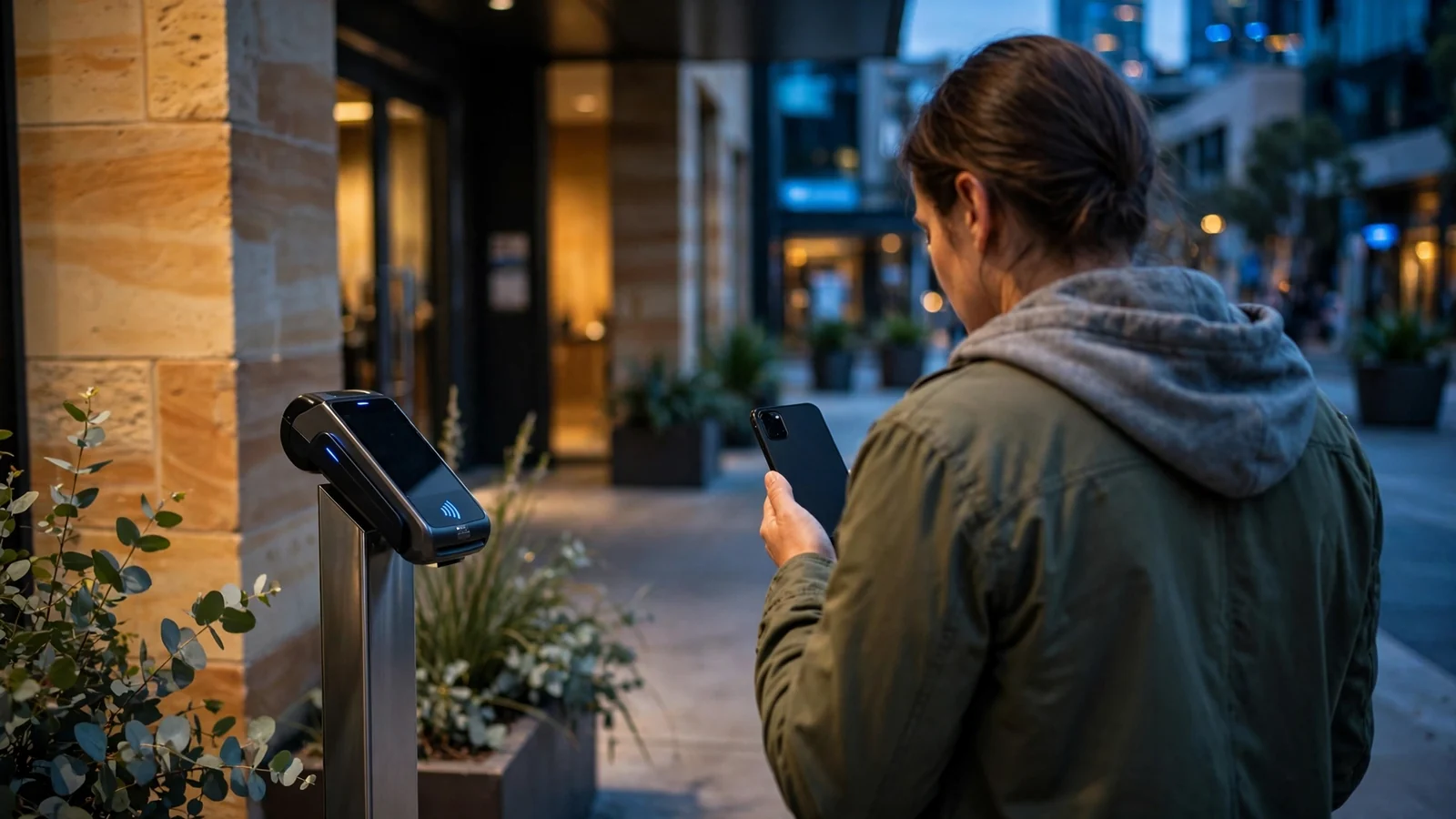
For a deposit, the process described is to copy the Bitcoin address displayed by the service and send funds to it from a personal wallet. The address is the critical detail. A transfer sent to the wrong address is generally unrecoverable: blockchain transactions are irreversible, and there is no ordinary card-style chargeback to undo a mistake. Copying and checking the destination before confirming a transfer reduces the chance of a typing error, but it cannot protect against a misleading or compromised payment destination.
A withdrawal reverses the direction of the address entry. The account holder copies a personal wallet address and pastes it into the service’s withdrawal form. The blockchain can carry the payment securely to the address entered; it cannot establish that the service will approve or send the withdrawal. I have seen “secure” used as though it covers the whole arrangement. It does not. It describes, at most, the transfer mechanism.

Bitcoin transfers also incur miner fees, and those fees can change over time. A specialist review characterises them as usually very small, but that is not a fixed price or a guarantee about the cost of a particular transfer. The wallet and service may display fee details before a transaction is sent; those figures should be treated as transaction-specific rather than as a standing promise.
Bitcoin’s relative privacy is also not the same as anonymity. A transfer is visible on the blockchain, while the casino account and its records may connect a payment with an individual. Nor does using a wallet remove the need to consider what happens on the receiving service’s side.
This is an explanation of payment mechanics, not an endorsement of real-money gambling. Real-money play is for people aged eighteen or older, and Australian consumer protection laws do not apply to offshore operators. This page is affiliate material and may include sponsored links. Keep the distinction clear. Transaction security is not service reliability.
Transaction security refers only to the transfer mechanism; it does not establish the reliability of the service or guarantee that an account will be credited.
Free Play and Real-Money Play Are Not the Same
Online pokies can be offered in free-play or real-money form. The screen may look similar in both modes, but the distinction is material: one uses play credits without a real-money stake, while the other involves gambling with money. A familiar game interface does not make the two experiences equivalent.
I have seen “free” used as a soft invitation, as though it were simply a harmless preview of a paid product. The useful distinction is narrower. Free play can show how a game behaves, but it does not reproduce the financial consequences of real-money play. A result on a free-play screen is not a cash win, and it says nothing about how a real-money session will turn out. No conversion should be assumed.
That matters when entertainment language blurs the boundary. “Safe fun” is a description, not a guarantee about the game, the operator, or what happens when money is involved. Free play avoids staking money in that mode; it does not, by itself, establish that a service is trustworthy or suitable. Real-money play has a different consequence: funds are at risk, and participation is for adults aged 18 or over.
I treat the mode label as a basic fact, not a quality mark. A free-play option is not proof that a real-money version is safe. Nor does a real-money option become harmless because the same game can also be tried without a stake. The interface can make the transition feel small. The financial difference is not.
This page is affiliate material and may include sponsored links. That disclosure describes the commercial context of the page; it is not an endorsement of gambling or a recommendation to use any service. Free play and real-money play remain distinct choices, with different consequences. Keep them distinct.

Common Bitcoin Pokies Problems: Deposits and Bonus Disputes
A Bitcoin deposit can leave the wallet without appearing in the casino balance. In my experience, that gap is where a clear record matters: the address used, the amount sent and the transaction details help distinguish a detection delay from a payment sent under the wrong conditions.
Common causes include reusing an address when the operator expects a different one, sending less than the required deposit, or the operator taking time to detect the transaction. These are not interchangeable problems. A delay may resolve when the operator’s system catches up; an underpayment or address issue may need support to identify what happened. “Instant” is a sales word, not a deposit record.
Bonus terms create a separate class of dispute. A headline offer may describe the reward, while the rules that determine how play counts sit elsewhere. Wagering contribution can vary by game: table games may contribute nothing, while pokies may count fully. Some high-return pokies can have their contribution capped at half. A player who assumes every game advances the same requirement may find that the displayed progress does not match expectations.
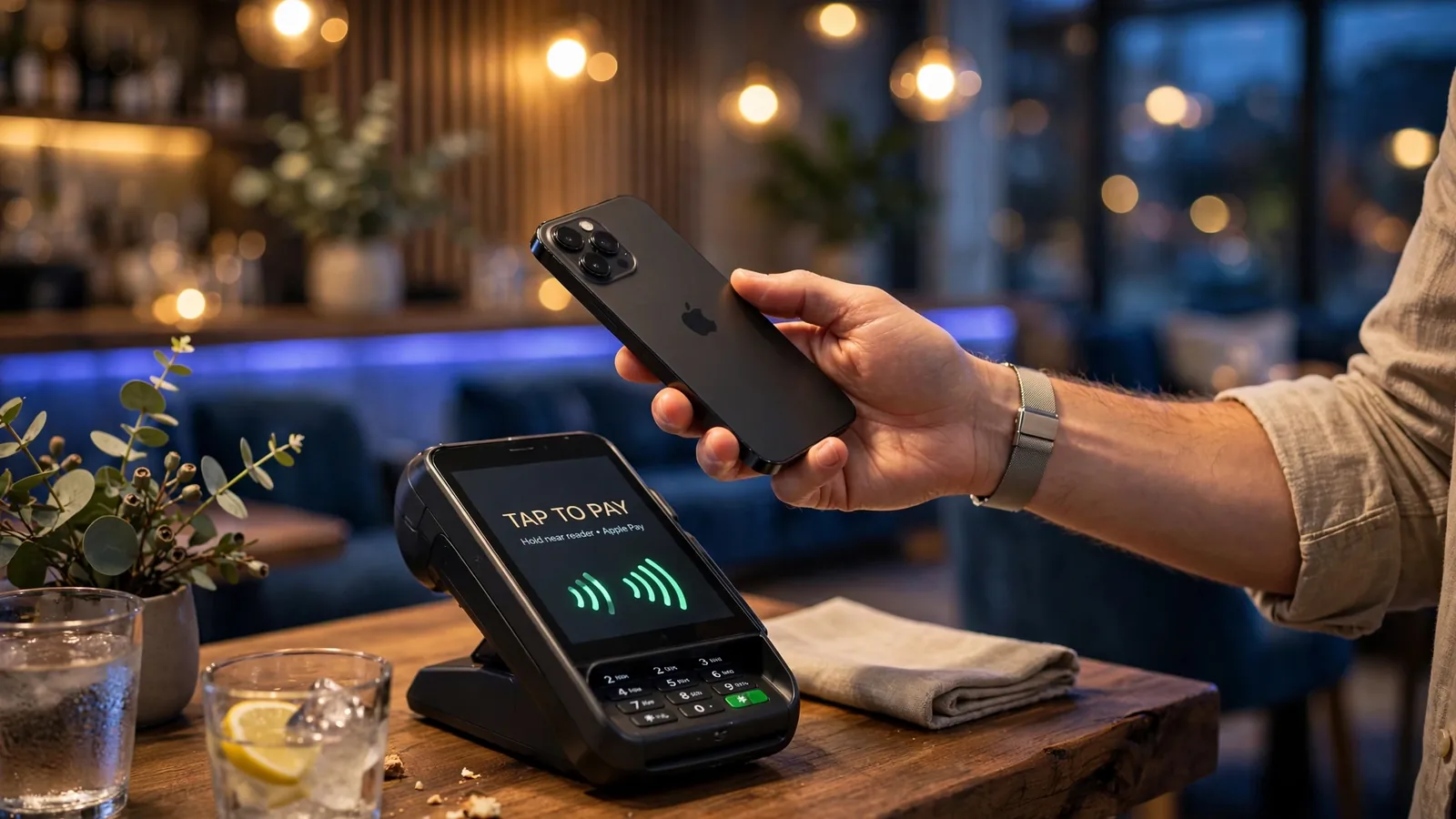
Maximum-bet rules matter too. If bonus play is voided for exceeding the permitted bet, the dispute may turn on the terms in force when the bonus was accepted and the recorded play. The point is not that every disagreement is justified; it is that a vague summary cannot replace the full conditions. Read the contribution table and maximum-bet wording before any bonus is activated. Small print, large consequences.
When a deposit is missing, keep the transaction record and contact the operator through its stated support channel rather than sending another payment to compensate. Repeating a transfer can make the account history harder to reconcile. A “safe” label does not settle whether a deposit was credited correctly, nor does it clarify bonus rules. The working test is whether the payment trail and the applicable terms can be checked.
This material is affiliate content and may include sponsored links. Real-money gambling is for people aged 18 or over; this is informational, not an offer to play.
Created by the ”Supabet Casino” editorial team.