Bitcoin casinos in Australia: deposits, games and rules
 Available in AU
Bitcoin deposits move from a personal wallet through network verification before a casino credits an account; accepting BTC does not establish Australian licensing.

- How Bitcoin Casino Play Works Online
- What “Best” Means When Comparing Bitcoin Casinos
- Live Casino Games and the Australian Legal Boundary
- Bitcoin Casino Bonuses: Read the Conditions, Not the Headline
- Why Bitcoin Acceptance Does Not Make a Casino Australian-Licensed
- Playing Slots with Bitcoin: The Payment Is Separate from the Game
- Casino Games, Wallet Transfers and the Other Coin Options
- What “BTC Casino” Means in Practice
- Bitcoin Deposits and Withdrawals: Where the Waiting Happens
- Bitcoin Slots, Access Restrictions and the Cost of Getting It Wrong
How Bitcoin Casino Play Works Online
A Bitcoin casino account does not receive funds straight from a bank. The payment begins in a personal crypto wallet, passes across the Bitcoin network and is then matched to an account by the casino’s payment system. Only after that casino-side step does the balance become available for play. The wallet transfer and the playable balance are separate parts of the process.
In the deposit flow described by specialist reviews, the account holder selects Bitcoin and the site displays a destination address, often alongside a QR code and a requested amount. The sender enters that address in a wallet, checks the details, and approves the transaction. The payment is broadcast to the blockchain, where it can be viewed and verified. That public record shows the transfer between addresses; it does not, by itself, show that the casino has credited the correct customer account.
The distinction matters. A casino payment system has to associate the incoming transaction with an account, confirm that the transfer meets its requirements, and update the balance. A deposit can appear on the blockchain while the account balance has not yet changed. From the player’s point of view, the wallet has sent the funds; from the casino’s point of view, the deposit still needs to be identified and processed.
Some specialist reviews describe sites that permit play once a deposit is detected on the blockchain, before it is fully confirmed. That is an operator-specific feature, not a general property of Bitcoin payments. Detection is not the same as final settlement, and a site may instead wait for confirmations before making funds playable. The cashier’s displayed status and the operator’s terms determine how a particular account is treated.

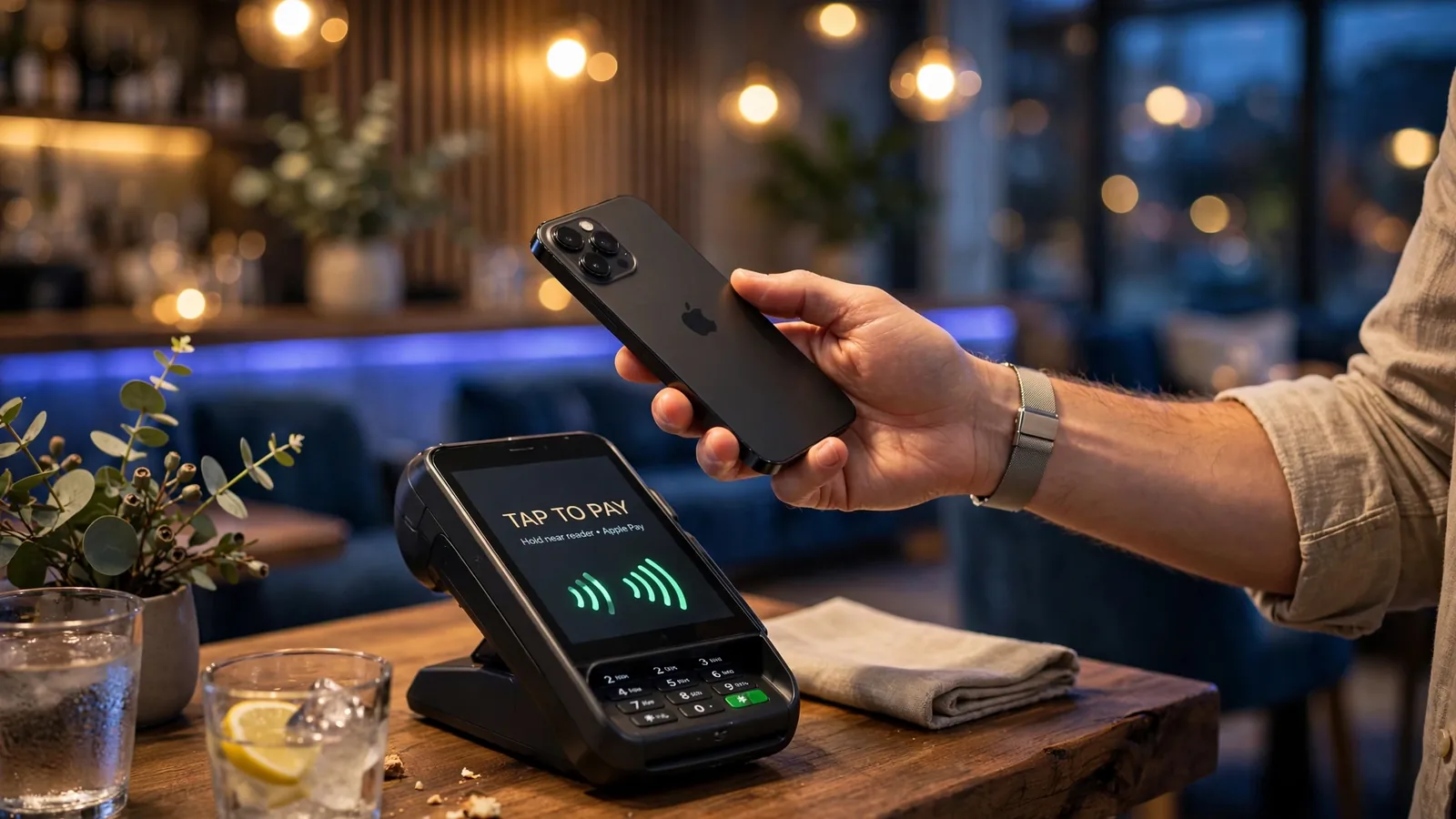
Once credited, the Bitcoin amount may appear as a crypto balance or be converted into another account unit for displaying bets and results. That presentation does not alter the underlying transfer. If the account shows a converted value, the exchange rate used by the operator and the moment it is applied can affect how the balance looks. Bitcoin’s market price can move while funds are held, so a balance expressed in Australian dollars may not retain the same value even when the BTC amount is unchanged.
The games themselves are handled by the casino platform, not by the Bitcoin network. A wallet transaction funds the account; it does not place a bet or determine a game result. After the balance is credited, the casino’s software records activity against that account. This is the practical meaning of a casino bitcoin online payment: crypto handles the movement of funds, while the site handles account credit and play.

Withdrawals run in the opposite direction, but they are not simply a reversal of the original deposit. The account holder submits a payout request and provides a wallet address for receipt. The casino then reviews and processes the request before sending Bitcoin. In practice, the cashier may require identity documents before releasing a withdrawal, even where the original deposit was made from a crypto wallet. A wallet address is not proof of identity.
The wallet and network details need careful checking at both ends. Bitcoin transactions are irreversible: sending to the wrong address can mean permanent loss, and selecting an incompatible network can also prevent funds from arriving as intended. The destination should be checked character by character before a deposit, rather than relying only on a familiar label or saved contact. The casino’s cashier should also be checked for the exact asset and network it accepts.
A further point is whether the site supports Bitcoin withdrawals, not merely deposits. A deposit button establishes only that funds can be sent in. Before depositing, the account’s payment information should make clear whether Bitcoin can be used for payouts and what wallet details are required. Otherwise, the funds may be accepted into the account while the preferred route out is unavailable.
Bitcoin Deposit Process
The account holder selects Bitcoin in the casino cashier, which then displays a destination address and often a QR code.
The sender enters the address into a personal crypto wallet, verifies the details, and approves the transaction.
The payment is broadcast to the blockchain, where the transfer between addresses can be viewed and verified.
The casino’s payment system associates the incoming transaction with the account and updates the playable balance.
On a mobile casino bitcoin interface, the same steps apply, though the wallet and casino may be open in separate apps or browser windows. Switching between them makes address verification especially important: copying an address is safer than retyping it, but the pasted destination still needs checking before approval. A QR code can reduce typing errors, but it does not remove the need to confirm that it belongs to the intended deposit.
For Australian residents, the payment method does not change the legal status of the casino service. The Interactive Gambling Act 2001 prohibits operators from providing real-money online casino-style games to people in Australia. Bitcoin is a payment rail, not a licence or an exemption. And BetStop or state-based self-exclusion registration does not automatically exclude an account from every offshore platform; exclusion has to be made with each platform.
The mechanics are simple on paper. The checks are not optional.
What “Best” Means When Comparing Bitcoin Casinos
Choosing a Bitcoin-accepting casino in Australia means weighing the available operator details alongside your own needs. This list offers a concise reference to the information provided for each casino.
License: Curacao eGaming OGL/2023/174/0082 (Dama N.V.) · Min. deposit: A$15 LevelUp Casino is listed with a Curacao eGaming licence held by Dama N.V. Its minimum deposit is A$15.
License: Curacao · Payout speed: crypto 30-60 minutes, fiat 1-5 days · Min. deposit: A$10 Wild Tokyo lists a Curacao licence and a minimum deposit of A$10. Its stated payout times are 30–60 minutes for crypto and 1–5 days for fiat.
License: Curacao Gaming Control Board OGL/2023/176/0095 (Hollycorn N.V.) LuckyVibe is listed with a Curacao Gaming Control Board licence, OGL/2023/176/0095, held by Hollycorn N.V.
License: Curacao Gaming Control Board OGL/2023/176/0095 (Hollycorn N.V.) Rollero Casino is listed with a Curacao Gaming Control Board licence, OGL/2023/176/0095, held by Hollycorn N.V.
License: Curacao eGaming (Dama N.V.) JeetCity Casino is listed with a Curacao eGaming licence held by Dama N.V.
License: Curacao eGaming OGL/2024/923/0383 (Antillephone N.V.) · Min. deposit: A$30 WinSpirit Casino is listed with a Curacao eGaming licence, OGL/2024/923/0383, held by Antillephone N.V. Its minimum deposit is A$30.
License: Curacao (operating since 2017) · Min. deposit: A$20 Uptown Pokies is listed as operating since 2017 and holding a Curacao licence. Its minimum deposit is A$20.
License: Curacao · Min. deposit: A$20 (POLi) Lucky Dreams lists a Curacao licence and a minimum deposit of A$20 for POLi.
License: Curacao eGaming (Roby Games Ltd) Roby Casino is listed with a Curacao eGaming licence held by Roby Games Ltd.
Payout speed: crypto under 1 hour, PayID 1-3 business days · Min. deposit: A$20 (A$30 to qualify for the bonus) Ricky Casino lists crypto payouts in under an hour and PayID payouts in 1–3 business days. Its minimum deposit is A$20, or A$30 to qualify for the bonus.
“Best” is not a useful label until the comparison says what is being measured. A site can make Bitcoin deposits straightforward while leaving withdrawals unsupported, or advertise a polished games lobby while providing little clarity about account checks. I have found that the dependable comparison starts with details that can be verified in the site’s own terms and cashier, not with the size of its claims.
The first check is regulatory status in Australia. Australia does not issue a domestic licence for online casino games, and crypto casinos are not licensed here. That means a Bitcoin casino cannot be described as operating within Australia’s regulatory framework. A foreign licence, where claimed, is a separate fact; it should not be presented as Australian approval or as proof that the service is authorised to offer casino games to people in Australia. This is a boundary, not a ranking criterion that one site can win.

Check the payment path, not just the deposit button
A casino that displays Bitcoin as a deposit option has not necessarily established that Bitcoin is available for withdrawals. The cashier terms should address both directions. They should also make clear which network is supported and what currency or unit the account balance uses. Where the withdrawal method differs from the deposit method, the rules should say so plainly.
I would treat “Bitcoin accepted” as a narrow statement: it identifies a payment option, not the quality of the whole service. The practical comparison is whether the relevant terms are accessible before registration, whether they agree with the cashier, and whether the site explains what account checks apply before funds can be released. Identity documents may be required before a withdrawal is processed. That requirement should not arrive as an unexpected surprise after a balance has been built.
Bitcoin transfers cannot be reversed once sent. Address and network details therefore deserve more weight than a decorative payment badge. A mismatch can mean permanent loss, not a routine payment delay. Bitcoin’s price can also move while funds are held or between deposit and withdrawal, changing their value in Australian dollars. These are material costs of using crypto, not evidence of extra consumer protection.
- Verify that Bitcoin is supported for both deposits and withdrawals
- Check the supported network and account balance unit
- Review identity document requirements before depositing
- Rely on a decorative payment badge as proof of service quality
- Assume a deposit button implies that payouts are available via BTC
- Ignore the risk of permanent loss from address or network mismatches
Compare rules that affect the balance
A fair comparison also distinguishes a cash balance from promotional credit. Bonus conditions can limit eligible games, impose wagering requirements, cap cashouts or exclude particular payment methods. Those details belong in the written terms, not in the headline. A bonus associated with Bitcoin may be unavailable to a Bitcoin depositor, or may attach conditions that change the value of a potential withdrawal. The offer should be judged by its actual rules rather than its advertised size.
The same discipline applies to games. A large catalogue or claims about “best” Bitcoin games do not establish fairness or suitability. The comparison should look for accessible game rules and clear information about how the site describes its offerings. A long lobby is not a substitute for transparent terms.
For a “latest” site, recent branding or a new cashier design is not proof of reliability. I would look for consistent, current documentation: payment terms, account requirements, privacy information and a working route to customer support. If key conditions are absent, contradictory or visible only after a deposit, that is a reason not to treat the site as a strong choice.
No checklist makes an offshore casino safe or Australian-licensed. In Australia, a person registered with BetStop or a state-based self-exclusion scheme must also self-exclude directly at each offshore platform; registration does not automatically close those accounts. A VPN should not be used to get around access restrictions, since circumvention can breach site terms and put an account or winnings at risk.
So the useful meaning of “best Bitcoin casino” is limited: the site whose relevant claims can be checked, whose payment and account rules are clear, and whose risks are not disguised as benefits. The label itself proves nothing.


Live Casino Games and the Australian Legal Boundary
A live dealer format can make an online casino feel closer to a venue: a camera shows a dealer, players make choices through an interface, and the round unfolds in real time. Legally, that presentation does not put the game in a separate category. The relevant question is whether an operator is providing a real-money casino-style service to someone in Australia, not whether the game is streamed or played against software.
The Interactive Gambling Act 2001 places the central prohibition on the provider. It bars operators from supplying online casino-style games to people in Australia, including live and digital versions of blackjack, roulette, poker and slots. A live table does not become lawful merely because a human dealer is visible or the operator describes the service as entertainment.
That distinction matters when a site promotes live tables alongside Bitcoin payments. The currency used to fund an account does not change the nature of the service. Nor does a foreign licence, by itself, give an operator permission to offer casino games to Australian residents under an Australian licence. Australia does not provide a domestic licence for this kind of online casino service.
The operator’s side of the boundary
The Act is directed primarily at businesses that provide the prohibited service. In practical terms, the operator’s location, payment options and presentation do not remove the obligation to comply with Australian law when offering the service to people physically in the country. A site accepting Bitcoin is still offering a casino service if its product includes real-money live blackjack, roulette or poker.
Legal Boundary
The Interactive Gambling Act 2001 prohibits operators from providing real-money online casino-style games to people in Australia, regardless of the payment method used.
I have seen the payment method treated in marketing as though it were a legal distinction. It is not. The law concerns what is being offered and to whom; Bitcoin is simply one means of transferring value. A live dealer screen may change the experience, but it does not change that legal analysis.
The operator bears the prohibition. That is the key line.
The player’s position
The legal position for an individual is different from the operator’s. The Act’s prohibition is aimed at the entity supplying the service, and playing at an offshore casino is not itself made an offence for an Australian player by that rule. That does not mean an offshore site is approved in Australia, or that a player gains local consumer safeguards by using it.
This distinction is easy to blur in promotional language. “Available to Australians” describes access claimed by a business; it does not establish that the business may lawfully provide the games here. Likewise, a Bitcoin deposit does not transfer the operator’s legal responsibility to the customer, and it does not turn a prohibited service into a permitted one.
A player’s lack of liability under this particular prohibition should not be mistaken for a regulatory endorsement. The service can remain outside Australia’s legal framework even while the operator’s conduct is the focus of enforcement. Those are separate points.
What the live format changes—and what it does not
A live game can involve a real dealer, a streamed table and interactive betting controls. Those details affect how the product works, but not the boundary set by the Act. If the service is an online casino-style game offered for real money to people in Australia, the live presentation does not create an exception.

The same reasoning applies when a platform accepts Bitcoin, offers a live table lobby or uses language such as “global.” Such features describe the product or its audience; they do not establish an Australian authorisation. I separate the sales description from the legal substance: the decisive issue remains the operator’s provision of the game to Australian residents.
That is why a search for a live dealer casino that accepts Bitcoin cannot be answered as though payment and legality were interchangeable. A payment option may indicate how an account is funded. It says nothing, on its own, about whether the operator is entitled to offer live casino games in Australia.
Bitcoin Casino Bonuses: Read the Conditions, Not the Headline
A bonus is not cash added to an account without strings attached. In my experience, the headline describes the offer at its most appealing; the terms explain when any of it can become withdrawable. For a Bitcoin casino deposit bonus, the useful question is not how large the advertised credit looks, but what must happen before it can be kept.
Start with wagering requirements. These set out how much qualifying play is required before bonus funds, or winnings associated with them, can be withdrawn. Check what balance the requirement applies to, which games count, and whether the requirement must be completed before a stated expiry. If the wording leaves the calculation unclear, the apparent value is difficult to assess. The condition is the product.
Bonus conditions, such as wagering requirements and cashout limits, determine when bonus funds or associated winnings actually become withdrawable.
Game restrictions matter because a bonus may count play on some games differently from play on others, or exclude particular categories altogether. Terms for Bitcoin video slots or other online casino games can also distinguish between bonus funds and cash balances. That distinction can affect which balance is used first and whether a win is treated as eligible for withdrawal. “Free” does not mean unrestricted.
Cashout limits are another separate condition. A promotion may cap the amount that can be withdrawn from bonus-related winnings, even after its wagering requirement has been met. Read that limit alongside any rules for withdrawing or forfeiting the bonus. A large headline credit can be less meaningful if the associated winnings are subject to a narrow cap or the bonus disappears when a withdrawal is requested.
Payment-method exclusions deserve a close look. Some offers may not apply when a deposit is made with Bitcoin, or may have separate rules for cryptocurrency deposits and withdrawals. A site can accept BTC for ordinary account funding while excluding it from a particular promotion. Before making a deposit for an offer, confirm that the chosen payment method qualifies and that the same currency is supported for withdrawals. A bonus that cannot be used with the intended payment route is not a usable offer.
“No deposit” and “free” offers need the same scrutiny. They may still require qualifying activity, restrict which games count, impose a cashout cap, or exclude certain payment methods when a player later makes a deposit or requests a payout. The absence of an initial deposit condition does not make the balance withdrawable on demand. Read the rules attached to the credit, not just the label.

I treat unclear wording as a practical risk, not a small-print technicality. Save or note the terms in force when an offer is accepted, including any change or expiry conditions. Bonus rules can determine whether a balance is withdrawable at all. No shortcut.
There is a wider limitation in Australia: crypto casinos operate outside the country’s regulatory framework and are not licensed domestically. That makes the written promotion terms especially important to understand, but reading them does not turn an offer into a protected or guaranteed return. Before a withdrawal, identity documents may also be required; bonus completion does not remove that check. For anyone registered with BetStop or a state-based self-exclusion program, self-exclusion must be made directly with each offshore platform.
Why Bitcoin Acceptance Does Not Make a Casino Australian-Licensed
Bitcoin’s absence from the wording of the Interactive Gambling Act 2001 is not a loophole. The Act does not explicitly name Bitcoin or cryptocurrency, but that does not give an operator permission to provide prohibited online casino services to people in Australia. The relevant distinction is between the payment method and the service being offered.
I have seen payment labels do a lot of work in casino marketing. “Crypto-friendly” describes a way to move funds; it says nothing about whether the gambling service can lawfully be offered in Australia. A site may accept Bitcoin, display prices in BTC or let an account holder use a mobile device. None of those features creates an Australian online-casino licence. Australia does not issue a domestic licence for online casino games.
Attention A foreign licence or the acceptance of Bitcoin does not constitute an Australian online-casino licence or local regulatory approval.
The Act is directed primarily at operators. It makes it illegal for them to provide real-money online casino games to people located in Australia. The legal issue is therefore not settled by whether a casino accepts Bitcoin, another cryptocurrency or conventional payment methods. A crypto casino does not become exempt simply because its transactions use a blockchain rather than a bank.
The position for individuals is different. There are no specific Australian laws that prohibit an individual from using an offshore crypto gambling site, and players are generally not explicitly prohibited from accessing such sites. That does not mean the operator is authorised to serve Australian residents, or that using cryptocurrency makes the service lawful or protected. Operator obligations and a player’s position should not be collapsed into one claim.
That distinction matters when a site advertises itself as an “Australian Bitcoin casino.” The phrase can suggest local approval when it may refer only to accepting Australian customers or Bitcoin deposits. Neither description establishes an Australian licence. In practice, crypto casinos operate outside Australia’s regulatory framework; the payment option is not evidence of local authorisation.
The Australian Communications and Media Authority focuses on blocking unlicensed offshore gambling sites. A site being reachable at a particular moment does not establish that it is approved. Access can change, and a blocked site may not be available through ordinary connections. The regulator’s role is not a seal of approval for any Bitcoin casino that remains visible online.

When I assess the wording around a site, I separate three claims: it accepts Bitcoin, it allows Australians to register, and it is authorised to offer online casino games in Australia. The first is a payment feature. The second is an access claim. Neither proves the third. A “BTC casino” label answers only how the operator says it takes payment. Nothing more.
Playing Slots with Bitcoin: The Payment Is Separate from the Game
Bitcoin changes how funds are transferred; it does not change what the casino is offering. If an online service lets people in Australia play real-money slots, the relevant issue is the game and who is providing it—not whether the account is funded with Bitcoin, another cryptocurrency or a conventional payment method.
The Interactive Gambling Act 2001 prohibits operators from providing online casino-style games, including slots, to Australian residents. That prohibition applies to the service itself. Describing the same games as pokies, calling the site a “Bitcoin casino” or putting a crypto wallet between the player and the casino does not change the underlying activity.
That distinction can get lost in the language around payments. A site may promote “Bitcoin play” as though the coin defines a separate category of gambling. In practice, it describes the payment option. The game remains an online slot, and the operator remains the party offering it. Different rails. Same service.
Payment vs Legality
Bitcoin is a payment rail and does not change the legal status of providing casino services to Australian residents.
I have seen payment features presented as the main selling point because they are easy to understand and compare. But a quick deposit, a crypto balance or a blockchain record says nothing about whether the underlying casino service may be offered in Australia. Payment mechanics and legal classification answer different questions.
The same applies to claims about “provably fair” play. That phrase concerns how a game’s fairness is presented or checked; it does not turn a prohibited online casino game into a permitted one. A technical feature cannot change the legal character of the service being supplied.
Bitcoin also does not create a special legal category for slots. A site offering online pokies for real money to people in Australia is still offering casino-style gambling, even if every deposit and payout uses cryptocurrency. The payment choice does not create an Australian online-casino licence or an exception to the operator-focused rule.
This is why “play slots with Bitcoin” should be understood as a description of payment, not as a different kind of game. The regulatory question follows the activity: an operator providing online casino-style games to Australian residents is subject to the prohibition in the Act. The coin does not move that line.
I separate those issues whenever a payment feature is used to make a service sound distinct. Bitcoin may affect how a balance is funded, but it does not rewrite the rules that apply to the game. Payment is not permission.

Casino Games, Wallet Transfers and the Other Coin Options
A Bitcoin casino payment is a wallet transfer, not a different kind of game. Specialist reviews describe the funds moving from a personal crypto wallet to an address supplied by the casino, with the transaction recorded on the blockchain. The account balance is then handled by the casino’s own payment system. That distinction matters: a blockchain record can verify a transfer, but it does not certify the operator or provide consumer protection.
Bitcoin, Litecoin and Ethereum can all be used as payment assets where a platform supports them, but they are not interchangeable. Each has its own network, address format and fee market. Sending a coin through the wrong network, or to an address intended for another asset, can result in permanent loss. Crypto transfers are irreversible, so the address and selected network need to match the casino’s stated requirements before a payment is made.
A specialist review comparing these payment options notes that Bitcoin can take longer to confirm than Litecoin or Ethereum. That is a comparison, not a fixed promise: network conditions and the fee attached to a transaction affect when it is confirmed. Litecoin may be considered where a casino accepts it and the displayed network fee suits the transfer. Ethereum has a separate trade-off: fees can exceed Bitcoin’s during busy periods. The apparent speed or cost advantage can change with network activity.
The practical choice is therefore not simply “which coin is fastest?” It is whether the casino accepts that asset for both deposits and withdrawals, which network it requires, and what fee the wallet shows before confirmation. A site accepting Bitcoin does not automatically support Bitcoin withdrawals, or the same coin on every network. Check the withdrawal method before depositing.
Standard payment asset; confirmation times can be longer and fees vary by network congestion.
Alternative asset option; may be faster or have different network fees than Bitcoin.
Another supported asset; network fees can exceed those of Bitcoin during busy periods.
There is a more fundamental limit in Australia. The Interactive Gambling Act 2001 prohibits operators from providing real-money online casino games, including pokies and table games, to people in Australia. Bitcoin does not change that rule or make an offshore site Australian-licensed. The prohibition is directed at the operator; the Act does not make the player liable simply for playing. Payment convenience is not legal permission.
Crypto values can move between deposit and withdrawal, changing the Australian-dollar value of a balance or winnings. Withdrawal requests also require identity verification documents before they can be processed. Anyone registered with BetStop or a state-based self-exclusion program needs to self-exclude separately at each offshore platform. No VPN workaround.
What “BTC Casino” Means in Practice
A “BTC casino” is a casino website that accepts Bitcoin as a payment method. The label describes the route funds take, not a special kind of Bitcoin account or a different form of gambling. A player sends BTC from a personal wallet to an address supplied by the site; the transaction is recorded on Bitcoin’s blockchain, and the casino credits the account after it recognises the required confirmations. A specialist review describes this confirmation step as part of offshore Bitcoin deposits, but the site’s own payment terms determine how it handles crediting.
That distinction matters. A transaction can appear on the blockchain without the casino balance changing immediately. The network records the transfer; the operator’s payment system checks it and updates the account. “Instant” can describe an interface response, not a completed transfer or a guaranteed payout. The exact confirmation and processing stages belong in the site’s deposit and withdrawal terms.

The same label can also conceal different payment arrangements. A site may accept Bitcoin for deposits but not support it for withdrawals, or may impose separate conditions on each direction. The name “BTC casino” is not proof that a particular coin, wallet or network is supported for every transaction. Check the supported asset and network before sending anything. Crypto transfers cannot be reversed by a bank; an incorrect address or incompatible network can mean permanent loss.
Bitcoin’s value can move between the time it is acquired, deposited and withdrawn. The BTC amount and its value in Australian dollars are not the same measure, so a credited balance does not remove exposure to price changes. Network fees also vary. A specialist review notes that Bitcoin fees can rise during busy periods; that is a description of possible conditions, not a fixed charge or current quote.
The term says nothing about Australian authorisation. The Interactive Gambling Act 2001 prohibits operators from providing online casino-style games to people in Australia, and Australia does not issue a domestic licence for online casino games. The law targets the provider, not the player, but cryptocurrency does not make an offshore service locally licensed or change the restriction.
Identity documents may be required before a withdrawal is processed. Anyone registered with BetStop or a state-based self-exclusion program must also exclude themselves directly at each offshore platform. VPN use to bypass geographic restrictions can breach platform terms and put an account or winnings at risk. The payment label is not protection.
Before Using BTC Casinos
- Confirm the site supports Bitcoin for both deposits and withdrawals
- Double-check the destination wallet address character by character
- Verify that the selected network is compatible with the casino
- Review the specific wagering requirements for any Bitcoin bonuses
- Ensure self-exclusion is registered directly with the platform
Bitcoin Deposits and Withdrawals: Where the Waiting Happens
A Bitcoin deposit passes through distinct stages. The casino displays a deposit address; the player sends funds from a wallet; the transaction is broadcast to the Bitcoin network; and the casino credits the account after the confirmations it requires. A transfer can be visible on the blockchain before it is available for play. Detection is not the same as credit.
A specialist review reports that one Bitcoin confirmation may take 10–60 minutes, depending on network congestion and the fee paid, and that some casinos require 1–3 confirmations. Those figures describe that review’s account, not a reliable timetable for every transaction. Network conditions and each operator’s rules matter.
A withdrawal has its own queue. The casino may first check the request and account, then send the payout to the wallet address supplied. A specialist review reports casino-side processing of 12–48 hours before a Bitcoin payout is sent, and wallet receipt within an hour after processing. These are source-specific timings, not a promise or market-wide standard. Identity documents may be required before a withdrawal is processed, adding another stage if verification is incomplete.
Before depositing, check that the casino supports Bitcoin withdrawals, not merely deposits. Confirm the address and the required Bitcoin network carefully; sending to the wrong address or network can cause permanent loss. Crypto transfers are irreversible. Keep the transaction details so the transfer can be checked against the blockchain if credit is delayed.
The balance can also change in value between deposit and withdrawal. Bitcoin price movements affect the value of both funds sent and winnings received, regardless of how quickly a transaction clears.
For Australian residents, the Interactive Gambling Act prohibits operators from providing real-money online casino games to people in Australia; an offshore licence does not make that offer lawful here. Payment speed does not alter that position. A quick transfer is still a transfer.

Bitcoin Slots, Access Restrictions and the Cost of Getting It Wrong
Bitcoin changes how a balance is funded; it does not change what the game is under Australian law. The Interactive Gambling Act 2001 prohibits operators from providing online casino-style games, including slots, to people in Australia. Calling them Bitcoin Pokies or presenting them as BTC slots does not create an exception. The restriction concerns the service offered to Australian residents, not the payment rail attached to an account.
That distinction matters when a site describes itself as a “licensed bitcoin casino”. A licence issued offshore is not an Australian online-casino licence, and Bitcoin acceptance is not evidence of Australian approval. The Australian Communications and Media Authority blocks access to unlicensed offshore gambling sites. A page loading, or an account accepting a deposit, is not proof that the service is authorised here.
I have seen payment checks mistaken for a green light. They are not. A casino may require identity documents before processing a withdrawal, even where deposits were made with cryptocurrency. The account name, verification documents and wallet details can all become relevant to a payout review. Funds may remain inaccessible while checks are unresolved.

There is also exposure outside the game balance. Bitcoin’s price can move between deposit and withdrawal, so the amount received in Australian dollars may differ from the amount originally spent. A transfer sent to the wrong address or network can be irreversible. Check both carefully.
Self-exclusion needs separate attention. Registration with BetStop or a state-based scheme does not automatically exclude an account at every offshore platform; exclusion must be requested directly at each one. VPN circumvention is not a workaround I would treat as harmless: it can breach a platform’s terms and put account access or winnings at risk.
The practical cost is broader than a lost spin. It can mean funds tied up, an account closed, or no reliable route to resolve a dispute. No shortcut.
Is it legal for Australian players to use Bitcoin at online casinos?
Australian players are not specifically prohibited from using Bitcoin at offshore casinos. The Interactive Gambling Act 2001 targets operators that offer online casino-style games to Australian residents, and Bitcoin does not change the legal status of the service.
How fast are withdrawals at Australian Bitcoin casinos?
Casino processing can add 12–48 hours before a Bitcoin payout is sent. After processing, the payout typically reaches a personal wallet within an hour.
How do I deposit and withdraw using cryptocurrency at these casinos?
To deposit, select Bitcoin in the cashier and send funds from your wallet to the displayed address, checking the address and network first. To withdraw, request a payout and provide your wallet address; the casino may require identity documents before releasing the funds.
How do I check if my Bitcoin deposit was confirmed on the blockchain?
Check the transaction in a blockchain explorer using its transaction ID; the public record shows the transfer and its confirmations. Casinos commonly require 1–3 confirmations before crediting a deposit, and one confirmation can take 10–60 minutes depending on network congestion and the fee.
What happens if I send crypto to the wrong address?
Bitcoin transactions are irreversible, so funds sent to the wrong address may be permanently lost. Check the destination address and the accepted asset and network before approving a transfer.
What law governs online gambling in Australia?
The Interactive Gambling Act 2001 governs the provision of online gambling services in Australia. It prohibits operators from offering online casino-style games, including slots, poker, blackjack and roulette, to Australian residents.
Published by the Supabet Casino team.