Melbourne Casino Searches: What to Verify Before Booking
 Available in AU
Casino-related searches can refer to different venues, services or arrangements, so confirm the details before booking or making plans.
- Hotel Rooms and Stay Packages: What the Search Needs to Confirm
- Poker Rooms and Tournament Searches: Separate the Venue from the Game
- Parking, Dining and Online Casino Searches Are Different Questions
- Accommodation Near the Casino: Keep the Search Scope Clear
- Contact Details, Bars and Entertainment: Verify Before Making Plans
- Breakfast, Buffet Searches and Casino Jobs
- Opening Hours, Events and Development: Current Details Need Checking
- Restaurant Searches: Menus and Availability Are Not Verified Here
- Spa, Address and Dress-Code Searches
- Food and Pool Searches: Do Not Assume Either Is On Site
Hotel Rooms and Stay Packages: What the Search Needs to Confirm
A hotel described as being “at” a casino and a hotel close to one are not interchangeable. The first suggests that accommodation and casino operations share a property or are formally connected; the second may mean no more than a separate hotel in the surrounding area. I would treat the wording as a claim to verify, not as proof of a particular arrangement in Melbourne.
That distinction matters when comparing prices. A room rate may cover accommodation alone, while a stay package may attach conditions or inclusions that are not obvious in a headline. The useful comparison is between the complete terms: what is included, what costs extra, whether the offer applies to the required dates, and how changes or cancellation are handled. A low advertised price is not a like-for-like comparison if the underlying conditions differ.
The same care applies to claims about casino hotel rooms. Before relying on a listing, confirm which property is providing the room, whether the booking is made directly with that property or through another seller, and what the confirmation actually guarantees. A nearby hotel’s association with a casino in a description does not by itself establish a partnership, a shared booking service or a special rate.
Choosing a casino for Melbourne in 2026 calls for checking the details that matter to you before signing up. This list offers a concise reference to the available licensing, deposit and payout information for each option.
License: Curacao eGaming OGL/2023/174/0082 (Dama N.V.) · Min. deposit: A$15 LevelUp Casino lists a Curaçao eGaming licence held by Dama N.V. Its minimum deposit is A$15.
License: Curacao · Payout speed: crypto 30-60 minutes, fiat 1-5 days · Min. deposit: A$10 Wild Tokyo lists a Curaçao licence and a minimum deposit of A$10. Its stated payout times are 30–60 minutes for crypto and 1–5 days for fiat.
License: Curacao Gaming Control Board OGL/2023/176/0095 (Hollycorn N.V.) LuckyVibe lists a Curaçao Gaming Control Board licence, OGL/2023/176/0095, held by Hollycorn N.V.
License: Curacao Gaming Control Board OGL/2023/176/0095 (Hollycorn N.V.) Rollero Casino lists a Curaçao Gaming Control Board licence, OGL/2023/176/0095, held by Hollycorn N.V.
License: Curacao eGaming (Dama N.V.) JeetCity Casino lists a Curaçao eGaming licence held by Dama N.V.
License: Curacao eGaming OGL/2024/923/0383 (Antillephone N.V.) · Min. deposit: A$30 WinSpirit Casino lists a Curaçao eGaming licence, OGL/2024/923/0383, held by Antillephone N.V. Its minimum deposit is A$30.
License: Curacao (operating since 2017) · Min. deposit: A$20 Uptown Pokies lists Curaçao licensing and has been operating since 2017. Its minimum deposit is A$20.
License: Curacao · Min. deposit: A$20 (POLi) Lucky Dreams lists a Curaçao licence and a A$20 minimum deposit via POLi.
License: Curacao eGaming (Roby Games Ltd) Roby Casino lists a Curaçao eGaming licence held by Roby Games Ltd.
Payout speed: crypto under 1 hour, PayID 1-3 business days · Min. deposit: A$20 (A$30 to qualify for the bonus) Ricky Casino lists crypto payouts in under an hour and PayID payouts in 1–3 business days. Its minimum deposit is A$20, or A$30 to qualify for the bonus.
I have seen how quickly a promotional label can do more work than its terms. “Exclusive” sounds like a defined benefit; in practice, the value depends on the conditions attached to it. Read the inclusions in plain language. If a benefit is described without saying when it applies or how it is claimed, its practical value is unclear. Marketing language is not the booking record.
For a Melbourne stay, the practical checks are specific: room type, dates, occupancy conditions, total price, taxes or other charges, and the rules for changing or cancelling the reservation. Confirm whether the stated rate is available for the intended dates rather than assuming a displayed offer applies throughout the year. Save the final booking confirmation; it is more useful than a search result or a promotional banner if the details later appear different.
The phrase “casino hotel” can also describe a hotel that is simply convenient for a casino visit. That does not establish that the casino operates the hotel, that guests receive entry benefits, or that a room booking includes any casino-related offer. Those are separate claims, each requiring confirmation from the business responsible for them. A booking agent’s description may summarise an offer, but the property’s terms determine what has actually been reserved.
Opening times are another detail that should not be inferred from accommodation information. A hotel reservation does not establish when a casino is open, and casino opening hours do not establish hotel check-in arrangements. These are separate operating details, so each should be confirmed with the relevant business before plans depend on it. A room may be available on dates when a guest’s intended activities are not; the booking alone cannot settle that question.
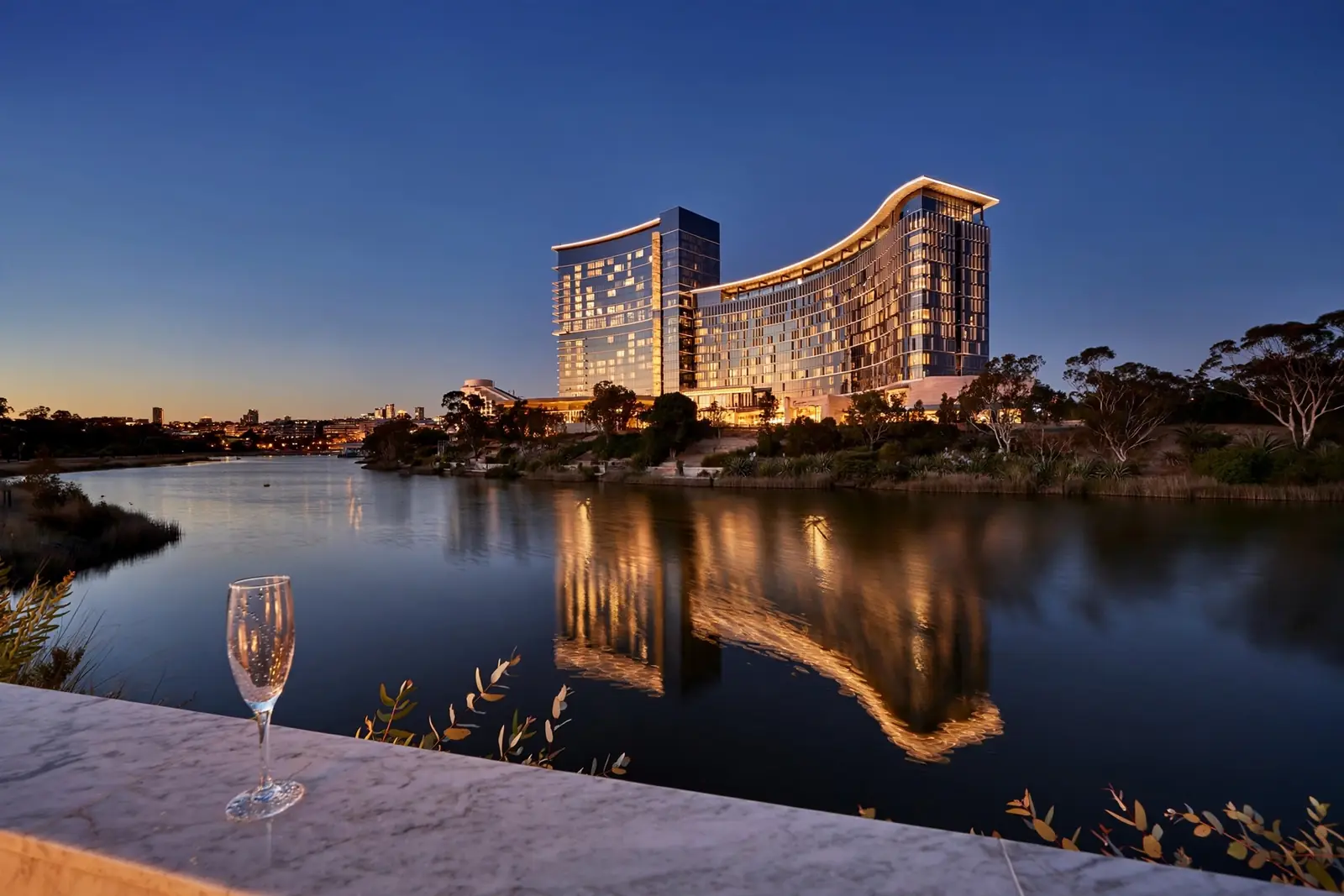
When an offer is presented as a combined stay, check whether each component is confirmed in the same reservation or subject to separate availability. If the terms do not identify the provider, dates, inclusions and conditions clearly, the headline is not enough to establish what has been secured. That is the difference between a tempting description and a usable booking.
I would keep the decision modest: establish exactly where the room is, who is responsible for the reservation, and what the confirmed price covers. Treat any claimed connection between accommodation and casino access as a separate point to verify. No assumptions.
Poker Rooms and Tournament Searches: Separate the Venue from the Game
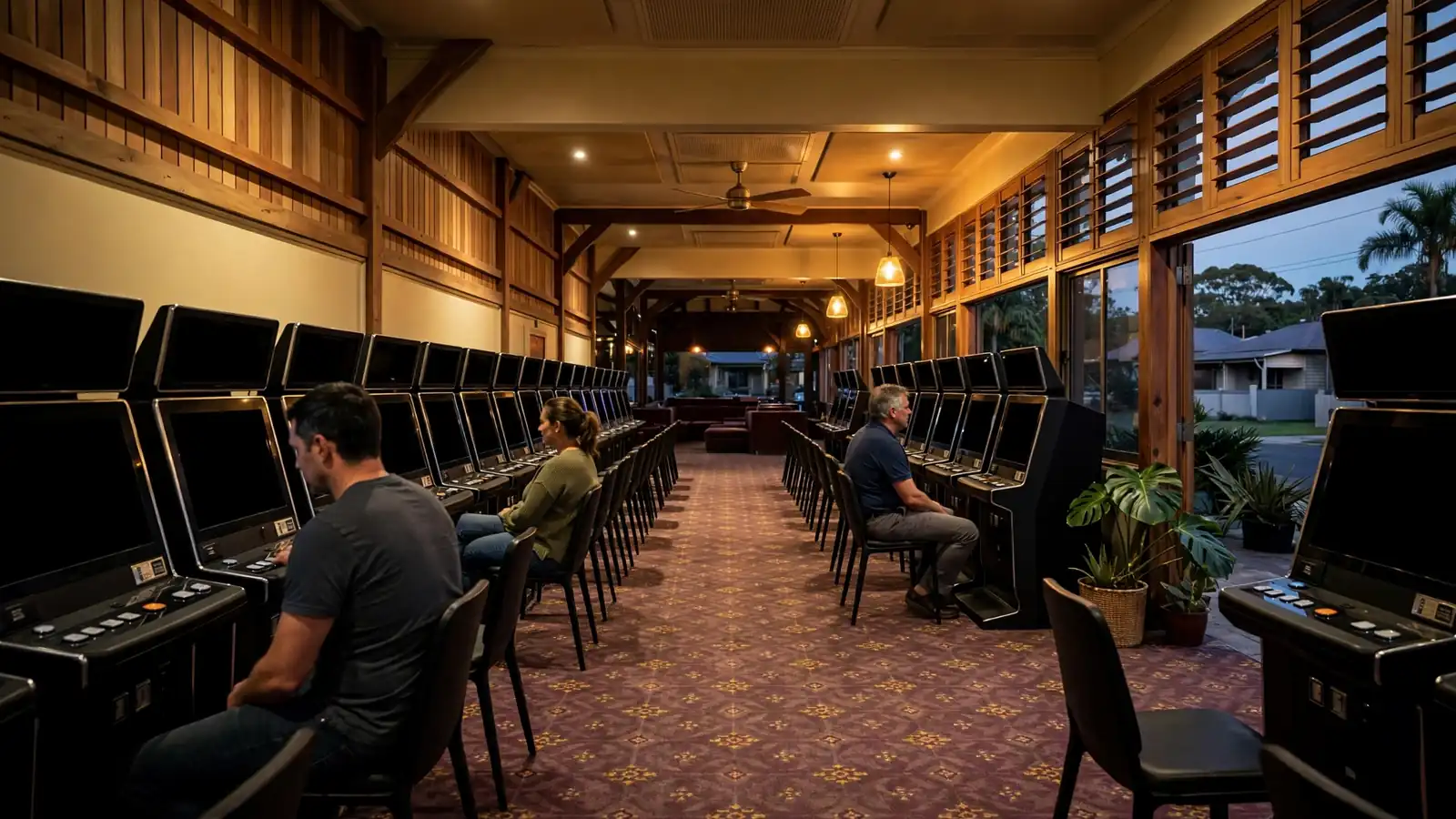
A poker room and a room of poker machines are not the same thing. The names are close enough to blur in casual conversation, but they describe different forms of gambling. Poker is played against other participants, with the game’s rules and format shaping how a session works. Pokies are Electronic Gaming Machines (EGMs): each machine operates as its own game. A venue’s poker-machine information does not confirm that it runs poker tables or tournaments.
That distinction matters when checking whether poker is available at a Melbourne casino. A reference to EGMs, gaming floors or machine gambling is not evidence of a poker room. Nor does the word “poker” in a general venue description establish that scheduled tournaments are held. I have seen marketing language do a lot of work with a single broad label. The detail is what counts.
A reference to EGMs, gaming floors, or machine gambling is not evidence of a poker room, nor does the word “poker” in a general description confirm that scheduled tournaments are held.
For a poker room, the useful confirmation is specific: whether live poker is offered, what formats are running, and whether the information applies to the date in question. A tournament listing should identify the event and its schedule, not merely suggest that poker exists somewhere at the venue. Registration conditions and participation requirements also need to be checked with the organiser. Without current, venue-specific details, it would be wrong to present a Melbourne poker room or tournament calendar as confirmed.
What the NSW comparison can—and cannot—show
Club Liverpool is a NSW club, and it has the highest number of operational poker machines among clubs in that state. That fact concerns machines, not poker tables, and it says nothing about facilities in Melbourne. It is a useful illustration of why the terminology needs care: a venue discussed in connection with “poker machines” is not thereby a poker venue.
NSW also sets the legal gambling age for poker machines at 18 and uses mandatory pre-commitment systems, under which players set a loss limit before playing. Those are NSW machine-gambling rules. They should not be presented as proof of how a Melbourne poker tournament works, or as information about a poker room’s entry conditions. Different game, different question.

Check the event, not the label
A tournament announcement can become outdated, while a general venue page may remain online. The practical check is whether the event is current and explicitly tied to the Melbourne venue, with its format and participation conditions stated by the organiser. A listing for a past event is not a recurring schedule. A poker room mentioned in an old review is not confirmation that it is operating now.
The same care applies to searches combining poker with a sports bar or general casino rooms. A bar listing does not establish live poker, and accommodation language does not describe a gaming format. These are separate venue services; one should not be inferred from another. Opening status is separate again: the fact that a venue is open does not, by itself, confirm that a poker game or tournament is running.
I would keep the conclusion narrow. Poker-machine figures, bar descriptions and broad casino labels cannot substitute for a current poker-room or event notice. Until that notice is confirmed, “poker at a Melbourne casino” remains a question to verify, not a facility or schedule to promise. No assumption.
Parking, Dining and Online Casino Searches Are Different Questions
A request about parking is a visit-planning issue; a request about bingo concerns a particular activity; dining is about food options; and an online casino search raises a separate legal question. Putting them under one venue name can make the results look related when they need different checks. I learned to separate those questions before treating any promotional description as a usable answer.
For parking, the practical details are not just whether a car park is mentioned. The relevant points include where it is, any entry or exit conditions, charges, accessibility and whether valet service is actually operating. “Free parking” is a specific claim, not a general feature of a casino visit. It needs confirmation against current venue information, including any conditions that may apply. A valet label also needs checking: it does not establish that the service is available at every time or for every visitor.
- Confirm parking charges and accessibility against current venue information
- Check bingo and dining availability independently for the intended date
- Assume “free parking” is a general feature without checking conditions
- Infer specific service availability from the venue’s broader identity
Bingo should be checked independently. A casino’s name does not establish that bingo is offered there, or that a particular session is scheduled. The same distinction applies to dining: a casino-associated location does not, by itself, confirm a particular food option, service arrangement or current availability. These details can change, and an old listing can remain visible after the operational position has changed. Better to confirm the specific service than infer it from the venue’s broader identity.
That is the ordinary venue side of the question. “Best” is advertising language until the underlying criteria are clear; the word alone says nothing about parking, bingo or dining. I would treat each as a separate operational check, rather than assume that one positive result answers the others. Different question. Different evidence.
The online part cannot be handled as another amenity. Under the Interactive Gambling Act, an operator based in Australia cannot legally provide real-money online casino services to people in Australia. The restriction covers casino-style games such as pokies, blackjack and roulette. A website using Australian branding or presenting itself as local does not change that distinction.
Offshore platforms sit outside Australian regulation. Their position is often described as a legal grey area for players, but that should not be confused with a locally regulated service or with Australian consumer protection. The fact that a platform can be reached online does not make it lawful for an Australian-based operator to provide casino games here, nor does it give an offshore operator Australian regulatory oversight. Availability and legal status are not the same thing.

I have seen online promotions compress these distinctions into a single claim of access. That is where the wording matters: the operator’s location, the player’s location and the type of gambling service all affect the legal picture. Sports betting is a different category and should not be used to imply that online casino games are permitted on the same basis.
For a Melbourne visit, parking, bingo and dining each require current confirmation from the relevant venue information. An online casino search requires a separate assessment of the service and its legal status in Australia. One search result cannot answer all four.
Accommodation Near the Casino: Keep the Search Scope Clear
“Accommodation near the casino” can mean a hotel within walking distance, a place elsewhere in central Melbourne, or simply a bed for a night before or after visiting. Those are different searches, even when listings group them together. I learned to separate the property’s location from the reason it is being promoted. A casino reference in a headline does not establish that a hotel is on site, affiliated with the venue or offering a special rate.
The first useful check is the property’s own address against the casino’s confirmed location. A map pin can make two places look close while the actual route, crossings or access points tell a different story. I would treat “near” as a claim to verify, not a precise measure. The address matters more than a promotional label.
What “near” needs to establish
A booking listing should make clear which property is being offered and where it is. The description should also distinguish proximity from a formal arrangement: a hotel may mention a casino as a landmark without being operated by it or connected to it. If the relationship is unclear, the wording is not enough to assume one exists.
A hotel may mention a casino as a landmark without being operated by it or connected to it; proximity does not equal a formal arrangement.
The same discipline applies to phrases such as “casino Melbourne accommodation” or “Melbourne casino accommodation deals”. A search result may combine accommodation with gaming or location terms because they attract attention. That does not confirm that the casino sells the room, that a rate is linked to a visit, or that the advertised terms remain available. “Special” is a sales word; the actual conditions decide what is being offered.
I have seen how a prominent label can do more work than the detail underneath it. The practical comparison is between the property’s stated location, the booking terms and the final price shown before commitment. If those details are not clear, the headline cannot fill the gap.
Keep the venue and the stay separate
A venue’s location and a nearby property’s location are related, but they are not interchangeable. A result for Melbourne casino location should be checked against an authoritative venue listing; a hotel map should then be checked independently. This avoids treating a broad suburb or city-centre reference as proof of a convenient route.
Accommodation searches can also pick up results about gaming machines, poker machines, trading hours or promotions. Those topics do not establish anything about where a guest can stay. Likewise, information about a casino’s operating schedule would not confirm a hotel’s check-in arrangements or availability. Each detail belongs to the business responsible for it.
Parking is another separate consideration. A nearby accommodation listing does not, by itself, confirm parking at the property or at the casino, and a mention of parking does not settle access, fees or restrictions. Those need to be checked against the relevant operator’s current information.
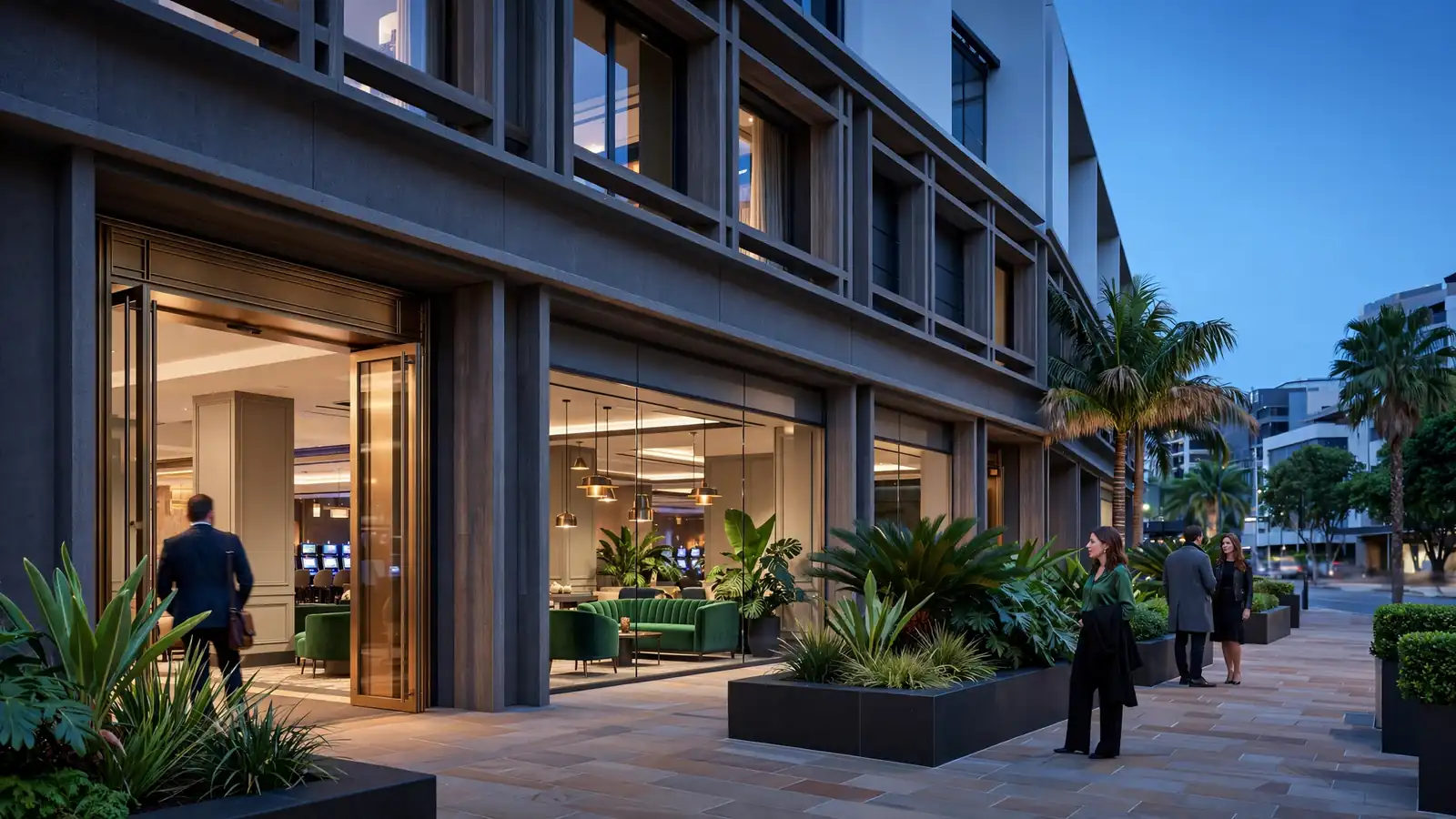
The cleanest approach is to identify the accommodation provider first, confirm its address and terms directly, and treat any casino connection as unproven unless it is explicitly stated by the parties involved. No shortcut.
Contact Details, Bars and Entertainment: Verify Before Making Plans
A Melbourne casino contact number is useful only if it reaches the team responsible for the enquiry. In venue operations, calls can be handled by different departments: a general switchboard may not know about a bar’s current service, while an event booking team may deal with ticketing rather than venue access. I treat a number shown in an old directory or copied listing as a lead, not confirmation. Check it against the venue’s current official contact information before relying on it.
The same applies to email forms and social accounts. A message sent through a channel that is no longer monitored can leave a simple question unanswered. For a time-sensitive matter, the most useful contact route is the one the venue currently identifies for that subject. Keep the question specific: bar access, a concert booking, a table-game enquiry or directions may be routed differently. Small distinction. Practical result.
A bar listing does not establish that a particular bar is open, taking walk-ins or operating its usual service on the intended date. Venue arrangements can change around private functions, maintenance or event schedules. “Open” is not the same as available for the occasion. Confirm the bar’s current details and any entry conditions directly before making plans, rather than relying on a map result or an older review.
Attention A bar listing or map result does not guarantee a bar is open or taking walk-ins on a specific date, as arrangements can change due to private functions or maintenance.
Baccarat and craps are separate table games, and a general casino description does not confirm that either is offered at a particular venue or at a particular time. Availability can depend on the venue’s current gaming operation and schedule. A game name appearing in a third-party listing is not proof of a live table. The relevant question is whether the venue currently offers that game and what information it provides about access. No assumption from a search result.
Concert information needs the same discipline. A past performance, venue photograph or event aggregator entry cannot establish that a concert is upcoming or that tickets remain available. Check the current event listing and the ticketing details linked from the venue or event organiser. Confirm the date, location within the venue and entry arrangements; an event being associated with a casino does not by itself settle those practical points.
A map pin can locate a venue without showing which entrance is appropriate for a particular activity. Likewise, a car-park label does not establish current access, availability or the best route for an event. For directions, parking or drop-off details, use current venue information and confirm anything that could affect arrival. These are logistical checks, not evidence that a particular facility or service is available.
I have seen how confident-looking listings become stale: a phone number survives after a department changes, while an event page remains visible after its date has passed. The safest plan is to verify contact details, bar arrangements, table-game availability and entertainment information through current venue or organiser channels, then keep any confirmation that affects the visit. That is less glamorous than a promise. More reliable.
Breakfast, Buffet Searches and Casino Jobs
Breakfast and buffet searches can make a venue sound more straightforward than the information behind the wording. “Resort” may describe a broad brand position, but it does not confirm that breakfast is served at the casino, that a buffet operates, or that either option is available on a particular date. I separate those claims before making plans. Labels are not a menu.
The same distinction matters for a buffet breakfast. A listing may refer to a hotel restaurant, a separate food business, a past offer or a service with conditions attached. The phrase alone does not establish where the meal is served, what is included, whether it is open to non-guests, or whether a booking is required. Those details need to be checked against current venue information before treating a result as a confirmed option. Small print matters.
“Casino rewards” can also mean different things in different contexts. It may refer to a customer loyalty scheme, a promotion, or benefits associated with a stay or meal. The wording does not establish eligibility, current offers, or the terms that apply. I read “rewards” as a label, not a promise. Any conditions attached to a promotion can affect its real value, so the headline alone is a poor basis for a decision.
Employment searches need a separate reading. A result for casino jobs may point to work at the venue, a contractor, a hospitality business, or an old vacancy that remains visible after recruitment has ended. A job title does not establish who the employer is, what the role involves, or whether applications are still being accepted. The employer and the posting date are the first details I check; without them, a listing can look current while saying little about the opportunity.
For a live vacancy, the useful information is concrete: duties, location, employment arrangement, required experience, application method and closing details. These should appear in the employer’s own recruitment material or be confirmed directly through its stated hiring channel. A third-party listing can help identify a role, but it should not be treated as the final authority. Recruitment language is designed to attract applicants. The conditions are what count.
There is another practical distinction: jobs connected with a casino are not necessarily gaming-floor roles. A broad venue name may cover different kinds of work, while a resort label may bring several businesses under one search result. The actual employer and work site matter more than the umbrella wording. I would not infer a role’s duties or benefits from the venue name alone.
Breakfast, buffet and employment information can also change independently. A food offer may be revised without affecting recruitment, and a vacancy may close while other venue details remain current. Search-result snippets compress those differences. Before relying on one, check the relevant business’s current information and confirm the specific service or opening. That is the useful test. A polished headline is not confirmation.
Opening Hours, Events and Development: Current Details Need Checking
“Open” is a status, not a promise that every part of a venue is operating as expected. A listing can remain visible after hours change, an event ends or access arrangements are updated. I treat a general opening-hours result as a starting point, then look for a dated notice from the venue before making plans. The date matters as much as the stated hours.
The same applies to searches about reopening. That word can refer to a whole venue, a particular area or an event returning after a temporary pause. Without a clear scope, an old reopening announcement can be mistaken for confirmation of current operations. A useful update should identify what is reopening and when; if those details are absent, the status remains unclear.
Event listings need their own check. A page describing a past performance or promotion may still appear in results, while a calendar can change after publication. I look for the event date, whether the listing is marked current, and any later notice that changes or cancels it. An advertised programme is not the same as a confirmed schedule. Small distinction. Real consequences.
Development searches call for a different kind of evidence. A concept announcement, a proposal and completed work are not interchangeable. A dated update should make clear whether a project is under consideration, approved, under way or finished. If a claim concerns a change to the venue, it is worth checking whether an official announcement or relevant planning information supports that precise stage. Promotional wording can compress several steps into “coming soon”; the stage is what counts.
Reviews also age. A review can describe one visit, a particular event or conditions that have since changed, rather than the venue as it operates today. I separate a reviewer’s dated account from current operational information and avoid treating a positive description as proof of present hours, access or programming. A snapshot, not a standing guarantee.
For practical planning, the strongest confirmation is a current, dated update that matches the specific reason for visiting. A general page may establish that a venue exists, but it cannot settle whether a particular event is on, whether a reopening applies to the whole site, or whether a development has reached completion. If different listings disagree, the discrepancy itself is a reason to pause rather than infer the answer from the newest-looking search result.
That approach keeps “Melbourne casino events” and venue-status information in their proper lane: useful only when the date and scope are clear. Timely details can change. A precise check beats a confident guess.
Restaurant Searches: Menus and Availability Are Not Verified Here
Restaurant listings can make a venue look more settled than it is. A name may remain visible after a menu changes, a service is paused or booking arrangements are revised. I learned to treat a listing as a starting point, not as confirmation that a particular meal can be booked on a particular date.
For a restaurant associated with a Melbourne casino, the first check is its precise identity and location. “At the casino” can mean inside the gaming venue, in a connected building or simply nearby. Those distinctions affect the route, entry arrangements and whether the restaurant is part of the same complex. A map pin and a restaurant’s own current details are more useful than a broad label.
The menu needs the same care. An older menu can still appear in search results or on third-party pages, while a current menu may be available only through the restaurant’s own channels. Check the date or context of the menu, then confirm that the dishes relevant to the booking are still offered. Dietary information should be confirmed directly where it matters; a short description on a listing is not the same as a clear answer from the venue.

Availability is separate from existence. A restaurant can be operating while having no suitable table at the preferred time, or it may take bookings through a channel that differs from the one shown in an old listing. I would confirm the date, party size, booking status and any conditions attached to the reservation. A booking confirmation is the practical record; a search result is not.
“Signature” is a useful marketing word, but it does not tell much about the current menu. It may describe a dish, a style or simply the way a venue presents itself. The details matter more: what is being served, whether the menu is current and whether the booking is actually accepted. Small print matters.
Restaurant searches can also mix a casino venue with nearby Melbourne options. A restaurant close to a casino is not necessarily inside it, and a listing that uses the city name does not establish a connection to the gaming venue. Before making plans, match the restaurant’s own address and booking details to the intended destination.
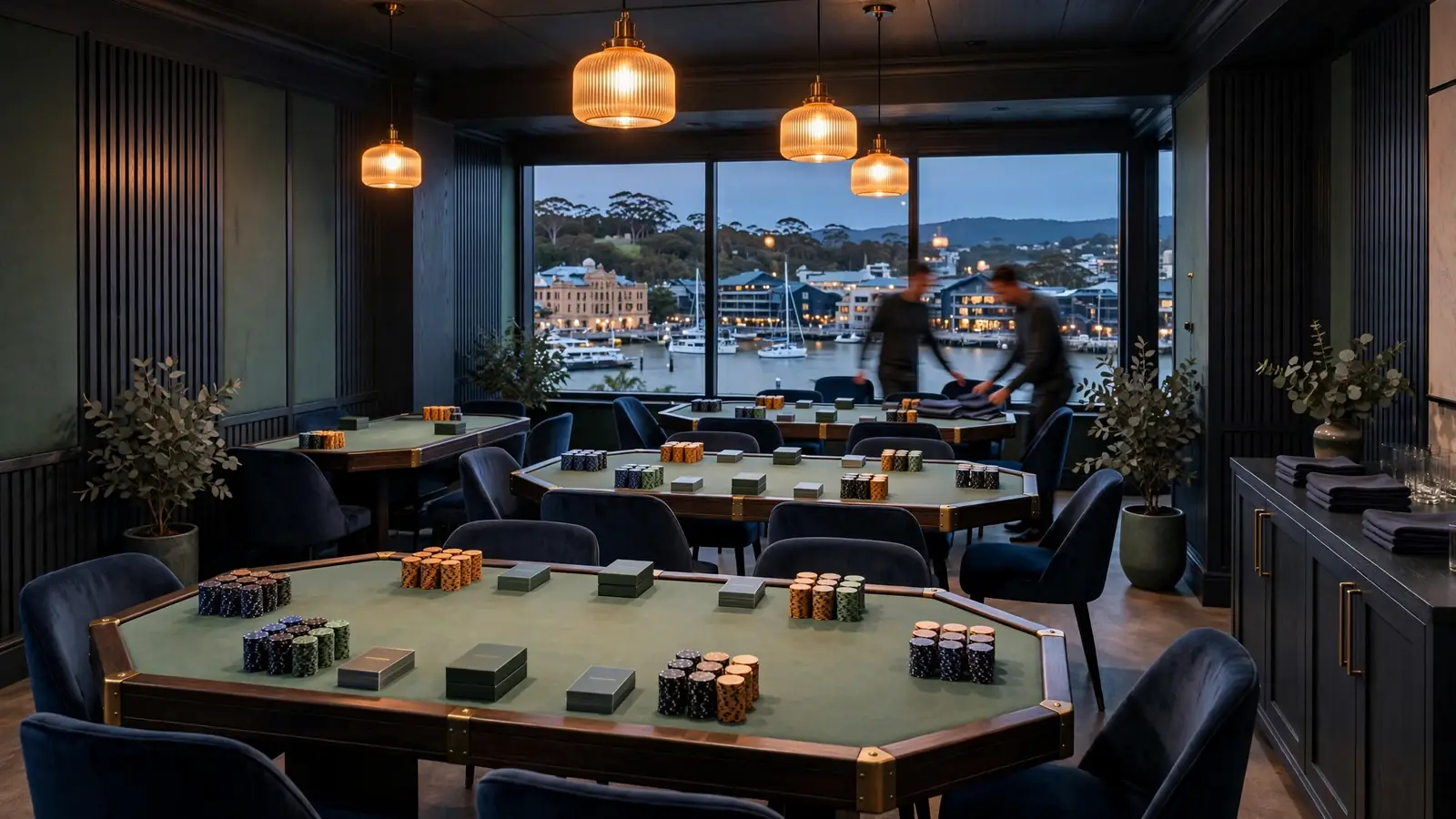
I have seen plans go wrong when an attractive menu was treated as a promise. The reliable sequence is plain: identify the restaurant, check its current menu, confirm the booking directly and keep the confirmation. For anyone comparing restaurants at a Melbourne casino, those checks separate a useful listing from a workable reservation.
Spa, Address and Dress-Code Searches
A Melbourne casino address looks like a simple map task, but a venue name can cover more than one entrance or destination. I separate the street address from the exact place being visited: a main gaming floor, hotel, restaurant or event space may have different arrival points. A map pin is useful for orientation; it is not confirmation that it leads to the right entrance. The venue’s own location information is the final check before travel.
The same distinction matters for a spa. A search for a Melbourne casino day spa does not establish that a spa operates at the casino, that it accepts day visitors, or that appointments are available. Those are separate questions. I would look for a current page published by the venue and check the service description, access conditions and booking information together. A spa mentioned in an old listing may no longer reflect what is offered. No assumption is safe.
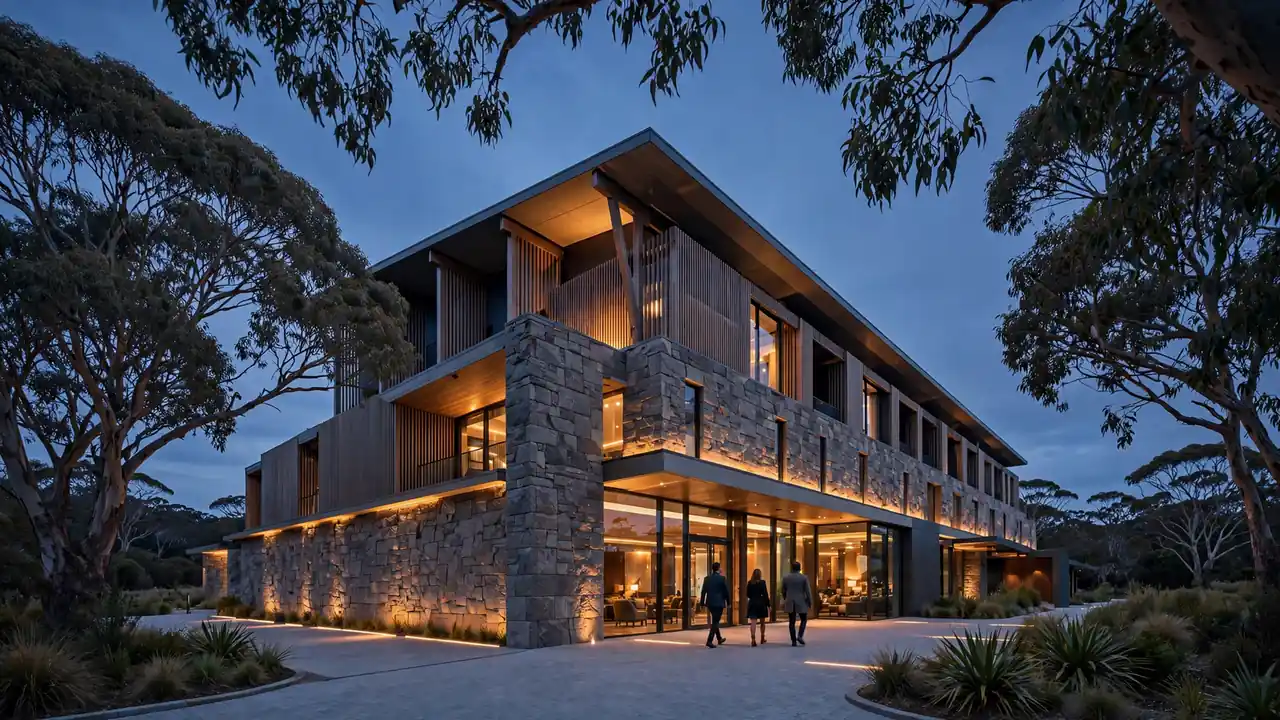
Dress-code wording also needs context. A rule can apply to a particular area or occasion rather than every part of a complex. “Smart” or “relaxed” may sound clear in promotional copy, but the practical detail is what clothing is excluded and whether the standard changes by destination. I check the venue’s current entry guidance for the specific place being visited, rather than treating a general description as a universal rule. Small distinction. Useful one.
Games are another term that can blur categories. In a physical casino, the word may refer to activities available at the venue; it does not confirm which games are operating or where. Online casino games are a different matter: under the Interactive Gambling Act 2001, operators cannot provide real-money casino games to people in Australia. I keep those meanings separate, especially when a venue page uses broad gaming language.
Careers information should be checked on the organisation’s own employment pages, where the employer, role and application process can be identified. A third-party listing may be stale or refer to a different business with a similar name. Bars are likewise a distinct venue question, not something established by an address or a general casino description.
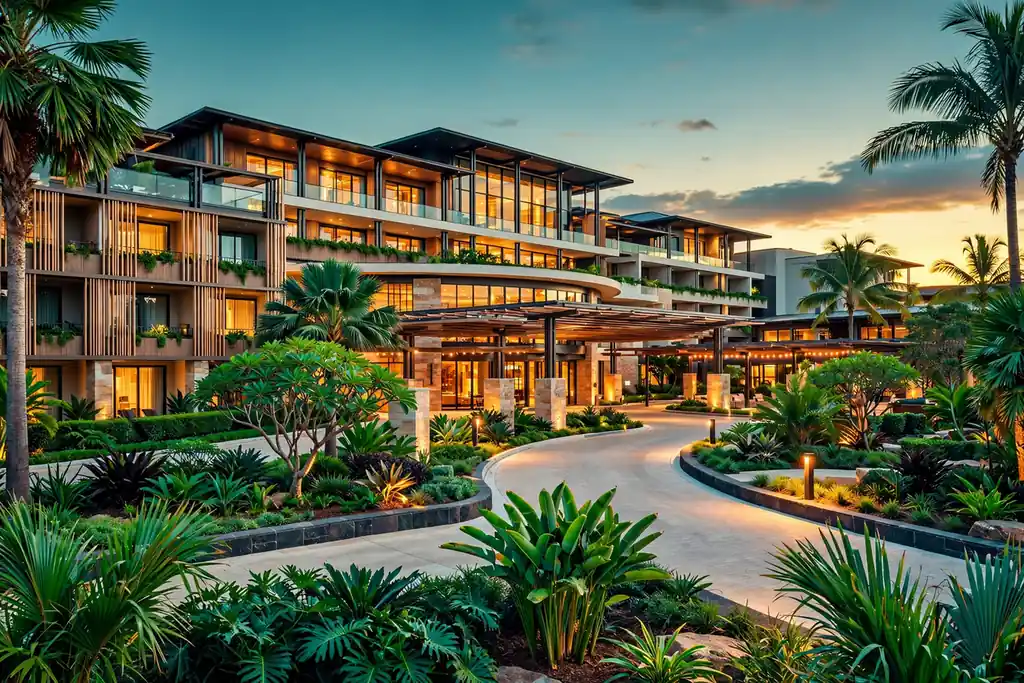
I have seen how a polished listing can leave out the detail that determines whether a visit works: the correct entrance, the actual access rule, or whether a service is current. For an address, use the venue’s published directions; for a spa or dress code, confirm the relevant page before setting plans. If the information is unclear, the venue’s official contact channel is the sensible next step. No guesswork.
Food and Pool Searches: Do Not Assume Either Is On Site
A casino’s name can make food facilities and leisure amenities sound like part of one package. I have learned to separate the impression from the practical detail: a food court and a pool are distinct facilities, and neither should be assumed to exist on site simply because someone is looking at a casino in Melbourne.
For food, the useful distinction is between food available somewhere within a larger complex and a dedicated food-court area. Those are not interchangeable descriptions. A venue listing, map or promotional photograph may show nearby businesses or a broader precinct without establishing what is inside the casino itself. The word “convenient” is doing too much work there. Location matters.
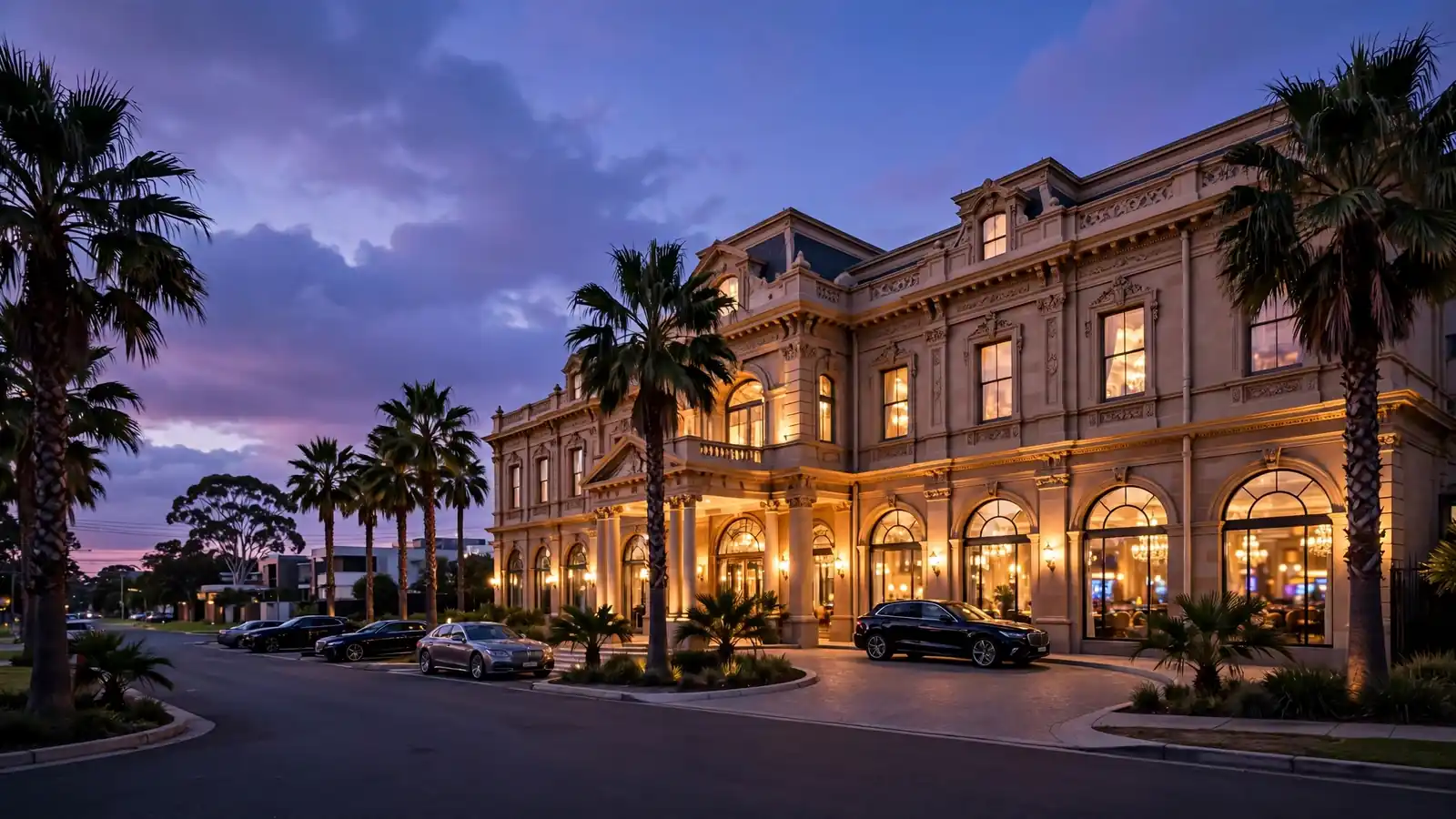
The same care applies to a pool. A pool might belong to a hotel, a health club or another nearby property rather than the casino; a shared name or address does not, on its own, establish access. Even where a facility is present, its opening arrangements and who may use it are separate questions. Those details can change, so a current official venue listing is a better basis for planning than an old directory entry or an image without context.
I would confirm the exact facility and its location through the venue’s current information before building a visit around it. For food, that means checking whether the reference is to a food court within the property or to options elsewhere in the precinct. For a pool, it means confirming that it is on site and whether access is available for the intended visit. No assumptions.
This keeps two simple questions in their proper scope: where food can be found, and whether a pool is actually part of the venue being considered. A search result can point towards an answer; it cannot establish that either facility is available.
Are online casino-style games restricted in Australia?
Yes. The Interactive Gambling Act restricts operators based in Australia from offering online casino games such as pokies, blackjack and roulette. Offshore platforms are not regulated under Australian law, although it is technically not illegal for Australian players to use them.
What are the bonuses and wagering requirements?
Free-spin winnings commonly carry wagering requirements of 20x to 50x, and pokies typically count 100% toward those requirements. Free-spin winnings are also described as requiring 30x wagering before withdrawal.
Which pokies are geo-blocked from Australia?
NetEnt’s Mega Fortune and Hall of Gods, along with NYX Gaming/Next Gen games such as Foxin’ Wins and Doctor Love, have been region-blocked from Australia. Blocked games may not appear in the lobby or may fail to load from an Australian IP address.
What features should I look for when choosing an online pokie?
Check the game’s RTP, which describes its theoretical payback over a very large number of spins, and remember that each spin is independent because the game uses an RNG. Other features include progressive jackpots, which grow from a portion of bets, and buy-bonus options that let you pay to enter a bonus round directly.
Written by the editors at Supabet Casino.